

Table of Contents
- The Real Cost of Skipping a Pre-Purchase Termite Inspection
- What to Expect During a Timber Pest Inspection
- Signs of Termite Activity in a House: What Buyers Miss
- Timber Pest Inspection vs Building Inspection: Why You Need Both
- What Happens If Termites Are Found Before Settlement
- How Often Should You Get a Termite Inspection?
- Frequently Asked Questions
Last Updated: September 30, 2026
The Real Cost of Skipping a Pre-Purchase Termite Inspection
At Redback Pest Control Sydney, we have inspected homes for over 30 years, and the pattern never changes: the buyers who skip this step are the ones who pay later.
A pre-purchase termite inspection is a professional assessment of a property’s timber pest risk before you commit to buying. It looks for live termites, past damage and the conditions that invite them in.
Here is the core problem. Most building reports note “possible termite damage” and stop there. That single line has killed more property deals than any other, and it has also let plenty of buyers walk into a money pit.
Below, we break down exactly what you get, what it misses, and how to use the findings in your negotiation.
What to Expect During a Timber Pest Inspection
A timber pest inspection covers far more than a quick walk around the yard. The inspector checks the whole property for termites, borers and fungal decay.
Here is what a thorough inspection includes:
- A full interior check of walls, skirting boards and cornices
- Subfloor access where entry is available
- Roof void and ceiling timbers
- Exterior walls, fences and retaining timbers
- Gardens, trees and stored timber near the home
- Moisture readings and drainage checks
- A written report with photos and findings
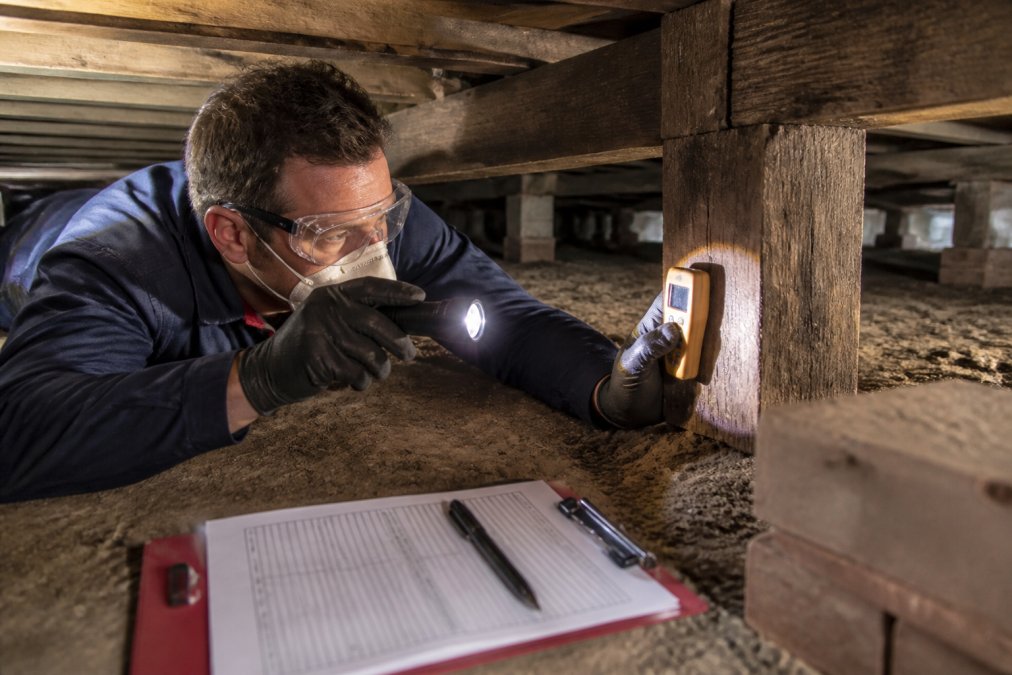
How Inspectors Access Concealed Areas
Termites hide in void spaces, wall cavities and subfloors. An inspector uses a torch, moisture meter and tapping tools to check these zones. Moisture detection helps find hidden activity without pulling the house apart.
Some areas stay out of reach. A report should list these “no access” zones so you know what was not checked.
Signs of Termite Activity in a House: What Buyers Miss
Buyers miss the quiet signs because they look for obvious damage. Termites rarely leave it.
Watch for these clues:
- Mud tubes on walls, piers or foundations
- Hollow-sounding timber when tapped
- Blistered or bubbling paint
- Sagging floors or sticking doors
- Frass, small pellets near timber
- Tight-fitting doors and windows
A common mistake is assuming a fresh coat of paint means the timber is sound. Paint hides a lot. Inspectors know where to look behind it.
Timber Pest Inspection vs Building Inspection: Why You Need Both
A building inspection and a timber pest inspection are not the same thing, and one does not replace the other. Confusing them is one of the most expensive mistakes a buyer can make, because the two reports answer different questions and are written by people with different qualifications.
A building inspector assesses structural integrity, building defects, safety issues and compliance matters. A timber pest inspector assesses termites, borers, fungal decay and the conditions that allow them to take hold. Neither is licensed to do the other’s job.
|
Inspection Type |
What It Covers |
Who Provides It |
|---|---|---|
|
Building inspection |
Structure, defects, safety, compliance |
Licensed building inspector |
|
Timber pest inspection |
Termites, borers, decay, risk conditions |
Licensed pest professional |
|
Combined report |
Both areas in one document |
Both specialists |
Why the two reports often disagree
A building inspector might note “possible termite damage to subfloor timbers” and stop there, because confirming live termites is outside their scope. A pest inspector might find no live activity but flag high moisture and timber-to-soil contact as a future risk. Read together, those two lines tell a very different story than either does alone.
The gap between them is where buyers get caught. A clean building report is not a clean pest report, and a clean pest report is not a structural guarantee.
What each report legally can and cannot say
Both are a snapshot of the property on the day of inspection. Neither is a guarantee, and both typically limit liability to the cost of the inspection itself. That is not a reason to skip them, it is a reason to read the limitations section carefully and to ask the inspector directly about anything you do not understand. Similar diligence applies to other hidden hazards, as professional asbestos testing remains a critical consideration for buyers navigating the complexities of older building materials.
A pest report should also list any “no access” areas, subfloors without a hatch, wall cavities, roof voids blocked by insulation. Those zones are where termites hide, so a report with large no-access areas is worth questioning.
A note on detection methods
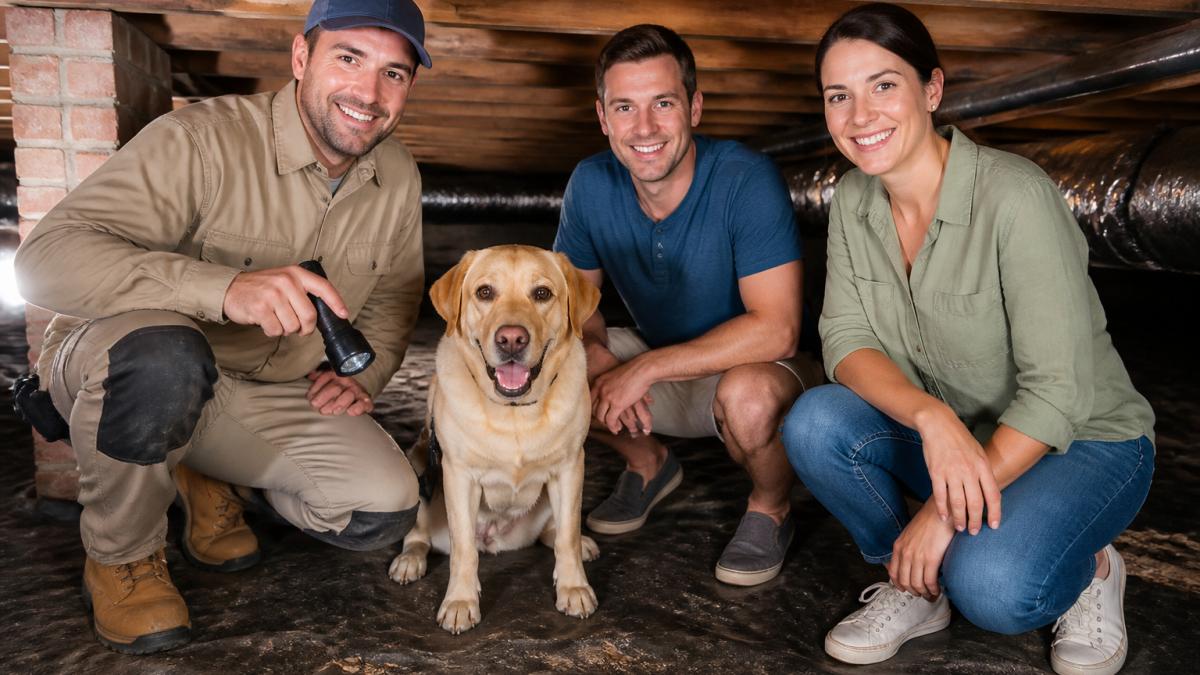
Traditional visual inspection is effective, but it can miss activity hidden deep inside walls, subfloors and roof timbers. Trained termite detection dogs, like Andy at Redback Pest Control Sydney, can pinpoint concealed activity that visual methods alone may not pick up. That added precision matters most in properties with limited access or a history of termite activity.
Neither report is a guarantee.
What Happens If Termites Are Found Before Settlement
Finding termites before settlement is not a disaster. It is leverage, but only if you act inside the contract’s timeframes and with evidence the seller cannot wave away.
Your realistic options, in order of strength
- Terminate under the inspection condition. If the contract still allows it, you can walk away and recover your deposit. This is the cleanest option and the one most buyers forget they have.
- Negotiate a price reduction. Get a written treatment and repair quote first. A specific figure, say, the cost of a full chemical barrier plus remedial timber replacement, converts a vague worry into a number the seller must answer.
- Require the seller to treat before settlement. Workable for live activity, but insist on a certificate of treatment and a follow-up inspection, because a treated infestation is not the same as a repaired one.
- Proceed and budget for it yourself. Reasonable if the activity is minor and the price already reflects it, but only after you understand the ongoing monitoring and barrier servicing costs.
- Walk away without the condition. If you have already gone unconditional, you generally cannot terminate on termite grounds alone, you can only negotiate. This is why the inspection should happen before you waive conditions, never after.
What your report needs to say
A report that simply notes “termite activity observed” is weak ammunition. You want the inspector to identify the species where possible, whether the activity is live or historical, the likely extent of damage, any inaccessible areas, and a recommended scope of treatment. Ask for this in writing before you approach the seller.
The trap most buyers fall into
This is where most buyers freeze. Do not. A report gives you information, and information is negotiation use.
How Often Should You Get a Termite Inspection?
Once you own the property, book an inspection at least once a year. Termites can build a working colony in months, and annual checks catch activity early.
High-risk properties need more frequent checks:
- Homes in known termite zones
- Properties with timber-to-soil contact
- Homes with poor drainage or moisture issues
- Older buildings with previous activity
- Properties with limited inspection access
Frequently Asked Questions
Is it worth getting a termite inspection before buying a home?
Yes, in most cases. A pre-purchase termite inspection gives you independent information about hidden termite activity, existing damage, and conditions that increase risk, such as moisture or timber-to-soil contact. It also lets you check whether any termite protection is already installed and whether it needs servicing. Knowing this before settlement helps you avoid inheriting unexpected repair costs and makes it easier to plan future termite management. Many buyers also use the findings as negotiation leverage on price or repairs.
What does a pre-purchase termite inspection actually cover?
A timber pest inspection covers accessible areas of the property, including the subfloor, roof void, internal timbers, external walls, fences, trees, and landscaping. Inspectors look for live termite activity, old workings, damage, and risk factors like poor drainage or leaking plumbing. They also assess any existing termite management systems. Non-invasive tools such as moisture detection may be used, but areas that are concealed or inaccessible cannot be fully checked. The report outlines findings and recommended next steps.
What happens if termites are found during a pre-purchase inspection?
If active termites or damage are found, you have options before settlement. You can request a treatment quote, ask the seller to arrange remedial action, negotiate a price reduction, or walk away if the risk is too high. A qualified inspector can explain the extent of the infestation and what treatment may involve. In some cases, a follow-up inspection or specialist assessment is needed. Getting this information before you are contractually committed is far better than discovering it after moving in.
How often should you get a termite inspection after buying?
Most pest control professionals recommend a termite inspection at least once a year, though high-risk properties may need checks every six months. Factors like local termite pressure, moisture, landscaping, and the type of termite management system installed all affect the right interval. Regular inspections help detect new activity early and confirm that any barrier or baiting system is still working. Annual maintenance also keeps you compliant with many warranty requirements and supports long-term preventative maintenance.
Buying a property without a proper timber pest check is a gamble most people cannot afford to lose. Redback Pest Control Sydney has over 30 years of experience protecting homes and businesses, with specialised termite dog inspections and the Sentricon® system for long-term termite control. Our team explains every finding in plain terms and recommends the right next step for your property. Get a free quote and protect your investment before you sign.