

Table of Contents
- How to Identify Fresh Termite Mud Tubes
- Active Wood Damage and Hollow Timber Signs
- Fresh Termite Droppings and Frass Detection
- Swarming Termites and Discarded Wings
- How to Prepare Your Home for a Termite Inspection
- Understanding Termite Inspection Cost and What It Covers
- Post-Treatment Verification: Confirming Active Termites Are Gone
- DIY Inspection Checklist vs. Professional Assessment
- Frequently Asked Questions
Last Updated: October 4, 2026
How to Identify Fresh Termite Mud Tubes
Mud tubes are one of the clearest signs termites are still active in your home.
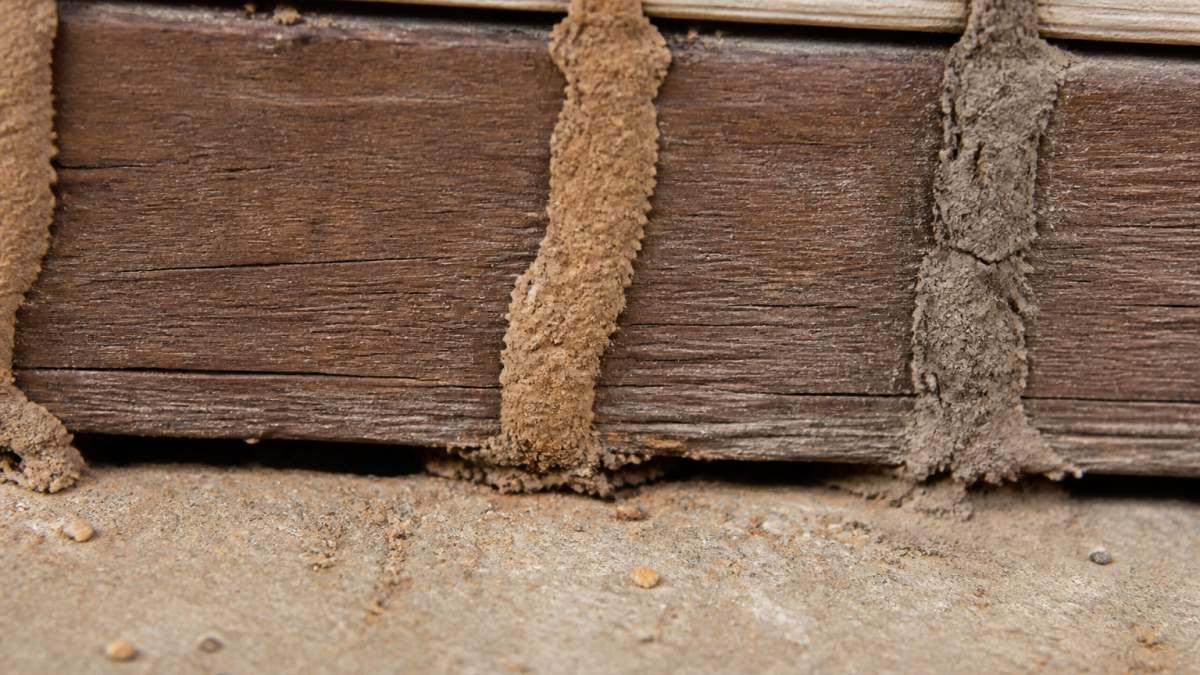
Fresh mud tubes look damp and crumbly. They’re usually tan or brown, matching the soil termites use to build them.
The key difference is moisture. Active termites maintain their tubes constantly. If you see tubes that crumble easily when you touch them, that’s a strong signal the colony is still feeding nearby.
Distinguishing active tubes from old damage
Telling the difference between old and active mud tubes saves you from unnecessary panic. Here’s what to look for:
Fresh tubes:
- Feel damp or slightly sticky
- Crumble easily under gentle pressure
- Appear tan or light brown
- Often connect directly to active feeding areas
Old tubes:
- Completely dry and brittle
- Crack and fall apart when touched
- Faded grey or pale brown colour
- Disconnected from active timber damage
At Redback Pest Control Sydney, we recommend checking mud tubes every few months, especially during warmer months when termite activity peaks. If you find fresh tubes, contact a professional immediately. The sooner you act, the better your chances of stopping the infestation before serious structural damage occurs.
Active Wood Damage and Hollow Timber Signs
Wood damage is often the most visible proof that termites are still active. Distinguishing fresh damage from old, weathered damage is critical to avoid unnecessary panic or missing an active colony.
Fresh vs. old termite damage: a diagnostic framework
Active termite damage has distinct characteristics that set it apart from historical damage:
Fresh termite damage (active infestation):
- Timber feels soft, spongy, or weak under light finger pressure
- Wood appears moist or damp inside galleries (if accessible)
- Galleries are smooth and clean, with no dust or debris accumulation
- Paint or surface finish may bubble or peel without water staining
Old termite damage (inactive or historical):
- Wood is completely dry and hardened, even inside galleries
- Galleries collect dust, cobwebs, or other debris
- No mud tubes or active entry points nearby
- Surface finish is stable; no new bubbling or peeling
The key indicator is moisture and gallery condition. If you can safely access damaged wood, smooth, moist tunnels signal current activity. Dusty, dry tunnels indicate the colony has moved on or been eliminated.
Hollow-sounding timber and cryptic damage
Hollow-sounding timber is a red flag. Tap on wooden beams, skirting boards, door frames, and floor joists with a screwdriver handle or your knuckles. A solid timber produces a sharp, clear tone.
To assess severity:
- Tap systematically along the length of timber, noting which sections sound hollow
- Gently press a screwdriver point into suspect areas; it should resist solid timber but sink into damaged wood
- Look for mud tubes or entry points near hollow sections, these confirm active feeding
If hollow sections are near mud tubes or show signs of fresh activity, the infestation is likely still expanding. If hollow timber is isolated and shows no fresh mud tubes or droppings nearby, the damage may be old.
Buckling, sagging, and structural warning signs
Buckling or sagging floors and ceilings indicate advanced termite damage. Termites eat the wood from the inside out, weakening structural integrity.
Active structural damage signs:
- Floors that feel soft, spongy, or springy underfoot (especially near walls or under windows)
- Ceilings or walls that bow, sag, or show new cracks
- Paint bubbling or peeling without water damage or condensation
- Doors or windows that stick, jam, or won’t close properly (caused by frame warping as termites feed)
- Visible gaps appearing between timber and walls or between floorboards
Stuck windows and doors can signal active termite damage. If the sticking is recent and accompanied by other signs (mud tubes, frass, hollow timber), termite activity is likely.
If you observe multiple signs together, fresh mud tubes, active frass, hollow timber, and structural movement, the infestation is likely advanced. Contact a professional immediately.
Fresh Termite Droppings and Frass Detection
Termite droppings, called frass, are a reliable indicator of active feeding. Frass appearance and accumulation patterns vary by termite species and season.
Identifying fresh frass and its characteristics
Frass looks like tiny pellets of sawdust or fine sand. Fresh frass is moist, slightly sticky, and may clump together. Old frass is dry, powdery, and crumbly.
Fresh frass indicators:
- Moist or damp to touch
- Colour matches the timber being consumed
- Accumulates in visible piles or trails
- Found directly below or adjacent to active feeding areas
- May have a faint earthy or musty odour
Old frass indicators:
- Completely dry and powdery
- Colour is faded or bleached
- No accumulation; piles remain static
- Found in areas with no nearby mud tubes or active damage
- No odour or stale smell only
Species-specific frass patterns: subterranean vs. drywood
The way termites deposit frass differs by species, and this distinction helps you identify which type is infesting your home.
Drywood termite frass:
Drywood termites push their droppings out of small, round exit holes in the wood surface. This creates distinctive piles of frass directly below the infested timber.
- Frass piles appear below wooden beams, joists, window frames, or door frames
- Piles are often found on floors, sills, or ledges directly beneath the exit holes
- Drywood frass is drier than subterranean frass (drywood termites live in wood without soil contact)
- Multiple small piles in the same area suggest multiple exit holes and active feeding
- Piles grow visibly if you mark them and check weekly
Subterranean termite frass:
Subterranean termites incorporate their droppings into mud tubes and soil, so you rarely see loose frass piles.
- Frass is less visible than drywood droppings because it’s incorporated into mud
- You may see frass only if you break open a mud tube or access internal galleries
- Subterranean frass is often moister because these termites maintain high humidity
- Loose frass near subterranean entry points is less common but indicates heavy feeding
Seasonal frass accumulation patterns
Termite activity and frass production vary by season, particularly in temperate regions.
Spring (September-November):
Termite colonies are most active after winter dormancy.
Summer (December-February):
Activity remains high, especially during humid periods. Frass production continues steadily.
Autumn (March-May):
Activity begins to slow as temperatures drop. Frass accumulation may plateau.
Winter (June-August):
Activity is minimal in most regions. Frass production drops significantly.
Where to find frass and what it tells you
Look for frass below wooden beams, joists, window sills, door frames, skirting boards, and near timber decks or garden structures.
Interpreting frass findings:
- Single small pile: May indicate minor, localised activity or old damage. Monitor weekly; if the pile grows, activity is active.
- Multiple piles in one area: Suggests concentrated feeding and a mature colony. Urgent professional assessment needed.
- Piles in multiple locations: Indicates widespread infestation affecting several areas. Professional treatment is critical.
- Growing piles over weeks: Confirms active, expanding infestation. Contact a pest control professional immediately.
- Static piles for months: May indicate dormant or eliminated colony, but professional verification is essential.
The presence of fresh frass tells you the colony is actively feeding right now. If frass piles are growing or you find new piles regularly, the infestation is expanding and professional intervention becomes urgent.
Swarming Termites and Discarded Wings
Swarming occurs during spring when termites reproduce and establish new colonies. Winged termites (swarmers) fly around lights or windows, then shed their wings. Discarded wings look like tiny translucent scales near windows, light fixtures, or timber.
If you spot swarmers or wings, document them with photos and contact a pest control professional immediately. The colony is mature and reproducing, which means damage is likely already significant.
How to Prepare Your Home for a Termite Inspection
A professional termite inspection is the most reliable way to confirm whether termites are still active. Before the inspector arrives, clear clutter from your home’s perimeter and provide access to subfloors, roof voids, and internal timber. Document any damage with photos and note when you first noticed signs. This helps the inspector prioritise areas.
Access points and documentation steps
Before the inspection:
- Ensure all doors and gates are unlocked
- Move furniture away from walls and timber areas
- Take photos of any visible damage or mud tubes
- Prepare a list of past pest control treatments
Tell the inspector about your specific concerns and previous treatments. This context helps them focus on high-risk areas.
Understanding Termite Inspection Cost and What It Covers
A professional termite inspection identifies whether termites are still active and where they’re entering. A thorough inspection includes visual examination of all accessible timber, checking for mud tubes and entry points, tapping timber to detect hollow sections, inspecting subfloors and roof voids, and assessing moisture levels. The report tells you whether an active infestation exists, where it’s located, and how severe it is. Visit our special offers page for current inspection options.
Post-Treatment Verification: Confirming Active Termites Are Gone
After treatment, post-treatment verification involves follow-up inspections at set intervals: typically at 2 weeks, 3 months, and 6 months after treatment. Each inspection confirms that no new activity has appeared.
Using detection dogs and follow-up inspections
Termite detection dogs offer unmatched precision for post-treatment verification. These specially trained canines can identify active termites by scent alone, even when hidden deep inside walls or timber. Dogs like Andy from Redback Pest Control Sydney can detect termites in locations impossible for humans to access.
The post-treatment verification process:
- Initial treatment is applied (chemical barrier, baiting system, or both)
- 2-week follow-up inspection confirms no new activity
- 3-month inspection verifies the barrier is holding
- 6-month inspection ensures the infestation hasn’t returned
- Dog inspection provides additional assurance in high-risk areas
Many pest control companies offer warranties on their work. Ask about warranty terms when you book treatment.
DIY Inspection Checklist vs. Professional Assessment
You can perform basic checks yourself to monitor for termite activity between professional inspections. However, a trained professional will always find more than a homeowner can.
DIY inspection checklist:
- Check for mud tubes along foundations and skirting boards
- Tap timber to listen for hollow sounds
- Look for fresh frass piles beneath timber
- Inspect window sills and door frames for damage
- Check for stuck doors or windows
What professionals can do that you can’t:
- Access confined spaces safely (roof voids, subfloors, wall cavities)
- Use specialised equipment to detect hidden activity
- Distinguish between species (subterranean vs. drywood)
- Assess structural damage severity
- Recommend preventative treatments
The difference between a home that stays termite-free and one that faces repeated infestations often comes down to early detection and swift action. If you’ve noticed any of the signs covered in this guide, get a free quote today and let our team confirm whether termites are still active in your home.
Frequently Asked Questions
How can I tell if termite activity is old or current?
Fresh termite mud tubes appear moist and intact, while old ones crumble easily when touched. Active termite galleries (tunnels inside wood) contain live insects or moist frass, whereas abandoned galleries are dry and hollow. Look for new mud tubes that bridge gaps between soil and timber, these indicate ongoing foraging. If wood damage is soft and crumbly with fresh frass nearby, termites are likely still present. Professional inspections use moisture metres and detection dogs to confirm active colonies versus old damage.
What should I do if I find signs of termites after treatment?
Document the location and type of sign (mud tubes, droppings, wood damage, wings) with photos. Note the date and any weather changes. Contact your pest control provider immediately, most reputable companies offer post-treatment verification and warranties. Avoid disturbing the area, as this helps technicians assess whether the infestation persists. Professional follow-up inspections, sometimes using termite detection dogs, can confirm whether the colony is still active or if the signs are residual from the original infestation.
Can I detect termite activity without professional equipment?
You can spot visible signs like mud tubes, fresh frass, swarmer wings, and soft wood damage through careful inspection. Tap suspect timber with a hammer, hollow-sounding wood suggests galleries inside. However, detecting hidden infestations deep within walls, subfloor areas, or concealed timber requires professional tools such as moisture metres, borescopes, and trained detection dogs. These methods identify active colonies before extensive structural damage occurs, making professional assessment essential for thorough confirmation.
Do termite mud tubes indicate an active colony?
Mud tubes suggest termite activity, but not all tubes indicate current infestations. Fresh, moist tubes with active termites inside mean the colony is foraging. Old, crumbled tubes that crumble when touched indicate abandoned pathways. To confirm whether signs of termites are still active, inspect the tube’s interior for live insects or moist frass. Professional pest inspectors can determine colony status by examining tube moisture content and structural integrity, helping you understand whether treatment is needed or whether the infestation has been resolved.