
Table of Contents
- Pest Control Cost for a 3 Bedroom House: What Actually Drives the Price
- What a Pest Control Quote Should Include Before You Compare Prices
- Pest Control Treatment Inclusions: What You’re Paying For
- How Much Does Pest Control Cost by Pest Type and Infestation Severity?
- Pet-Safe Pest Control: Does It Cost More?
- How Long Does Pest Control Take and What to Expect on the Day
- How to Get an Accurate Cost Estimate Without Hidden Fees
- Conclusion: Getting the Right Pest Control Cost for Your Home
- Frequently Asked Questions
Last Updated: October 6, 2026
Pest Control Cost for a 3 Bedroom House: What Actually Drives the Price
Working out the pest control cost for a 3 bedroom house comes down to four things: the pest, how bad the infestation is, the treatment scope, and where you live. A standard three-bedroom home on a single level is the benchmark most quotes are built around. Redback Pest Control Sydney has over 30 years of experience across Western Sydney, and the pattern is consistent: two identical-looking houses can attract very different quotes once you open up the roof void and check the subfloor.
That gap confuses people. It shouldn’t. A quote is a scope of work, not a flat fee for a postcode.
Below, we break down what pushes a price up or down, what a proper quote should list, and how to compare two quotes fairly.
What a Pest Control Quote Should Include Before You Compare Prices
A quote should name the target pest, the treatment method, the areas covered, the warranty terms, and whether a follow-up visit is included. If any of those are missing, you cannot compare it against another quote.
Most homeowners compare the bottom line and nothing else. That is where the trouble starts. A cheap quote for a general spray and a slightly higher quote for a full internal and external treatment with a warranty are not the same product.
Questions to Ask Before Accepting Any Quote
- Which pests does this treatment actually target?
- Is the roof void, subfloor, and perimeter included?
- Is there a warranty, and what does it cover?
- Is a follow-up visit included or charged separately?
- Are there call-out fees or after-hours charges?
- What preparation do we need to do beforehand?
Ask for the quote in writing. A verbal figure over the phone is an estimate, not a commitment.
Pest Control Treatment Inclusions: What You’re Paying For
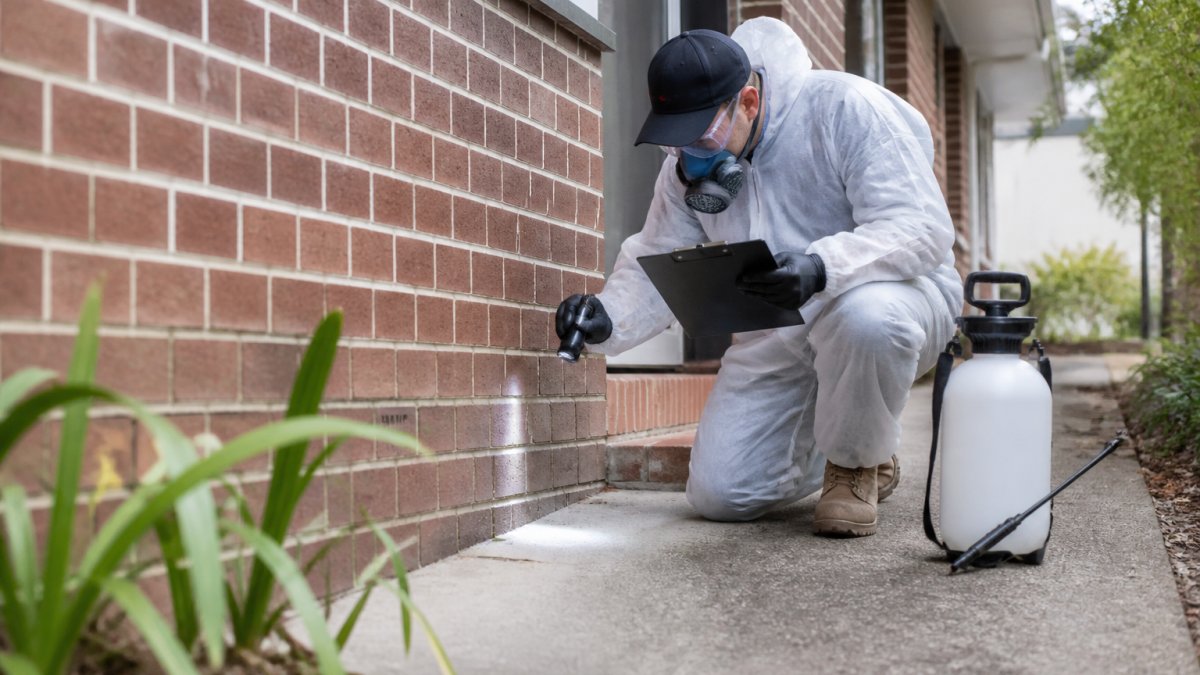
A standard general pest treatment covers the internal rooms, the external perimeter, and the entry points where pests move in. It targets common household pests such as cockroaches, ants, spiders, and silverfish, and it is usually applied as a spray to skirting boards, cornices, and external walls.
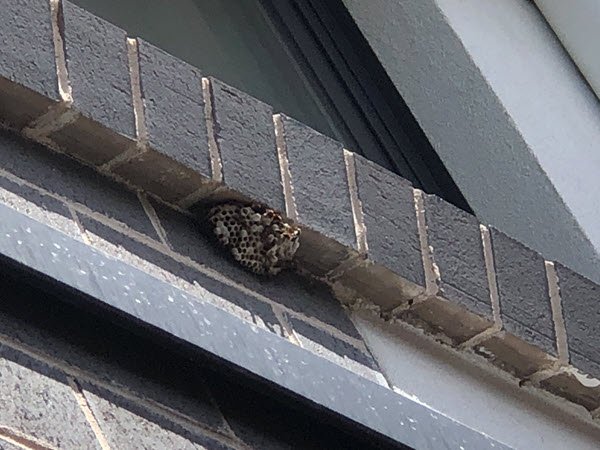
What sits outside that standard scope is where quotes diverge:
- Roof void and subfloor treatment, often needed for rodents and some ant species
- Termite inspections and management, which are a separate service with their own method and reporting
- Wasp nest removal, usually priced per nest and per access difficulty
- Flea and bed bug treatments, which need repeat visits to break the breeding cycle
One-Off Treatment vs Ongoing Pest Management Plans
A one-off treatment solves the problem in front of you. An ongoing plan keeps it solved.
For a three-bedroom house, a one-off general treatment suits a property with no history of repeat activity. Ongoing plans suit homes near bushland, older properties with more entry points, and rentals where a pest issue costs you a tenant. The trade-off is straightforward: a plan spreads cost across the year and usually includes scheduled follow-ups, while a one-off keeps your outlay to a single visit.
How Much Does Pest Control Cost by Pest Type and Infestation Severity?
There is no single figure, because the pest and the level of activity change the work required. A light ant trail along one wall is a different job from a full cockroach infestation across a kitchen, laundry, and roof void. What most quote pages never do is hold the house size constant and vary only the pest, so that is what this section does. Every row below assumes a single-level three-bedroom house with standard access, so the only thing moving the number is the pest and the severity.
Like-for-like comparison: same house, different pest
|
Pest / scenario |
Typical treatment scope for a 3-bed house |
Relative cost band |
|---|---|---|
|
Ants, light trail, one or two rooms |
Internal spot treatment plus external perimeter |
Lowest band |
|
Cockroaches, kitchen and laundry activity |
Internal spray to skirting, cornices, cupboards; external perimeter |
Low to mid band |
|
Spiders, webbing around eaves and entry points |
External perimeter and eaves, limited internal |
Low to mid band |
|
Fleas, after pets or a vacant period |
Full internal treatment plus repeat visit to break the breeding cycle |
Mid band |
|
Rodents, roof void and subfloor activity |
Internal, roof void, subfloor, baiting and monitoring |
Mid to upper band |
|
Bed bugs, one or more bedrooms |
Intensive internal treatment, often two or three visits |
Upper band |
|
Termites, inspection, then management if activity is confirmed |
Separate inspection and reporting, then a management program |
Specialist pricing, quoted after inspection |
Two houses on the same street with the same bedroom count can sit at opposite ends of that table. The pest and the severity decide it, not the postcode.
Why severity moves the number more than the pest does
A pest controller prices the work, not the label. The same cockroach job can be a single-visit perimeter treatment or a multi-visit program depending on what the inspection finds:
- Light activity, a few insects seen, no evidence of nesting. Usually one visit with a residual treatment.
- Established activity, droppings, shed skins, or live insects across multiple rooms. More product, more time, and often a follow-up visit.
- Heavy or long-running infestation, activity in the roof void, subfloor, or wall cavities. Access equipment, extra labour, and a monitoring period are added.
That is why a phone estimate is only ever a starting point. The controller cannot see the roof void or check activity levels until they are on site.
Specialist work sits outside the general treatment band
Some pests are not general pest treatments with a bigger price tag, they are different services with their own method, reporting, and warranty terms:
- Termite inspections are a documented inspection with a written report, not a spray. Management, if activity is found, is quoted separately and usually involves a monitoring or baiting system. If termites are confirmed, Termite Control is a specialist service rather than an add-on to a general treatment.
- Bed bug treatments typically require repeat visits because the treatment has to catch newly hatched insects, not just the adults present on day one.
- Wasp nest removal is usually priced per nest, and access difficulty, a nest under an eave versus one high in a tree, changes the labour involved.
If a quote bundles any of these into a “general pest treatment” price without explaining the method, ask what is actually being done. The scope, not the number, tells you whether the quote is comparable.
Pet-Safe Pest Control: Does It Cost More?
Pet-safe pest control does not usually cost more than a standard treatment. The difference sits in product selection and application method, not in a premium tier.
If you have dogs, cats, or young children, tell the pest controller when you book. They can select products and placement that reduce exposure risk and tell you exactly how long to keep pets and kids away from treated surfaces. That advice matters more than the label on the bottle.
A few practical points:
- Ask what product will be used and where it will be applied
- Confirm the re-entry time for each treated area
- Move pet bowls, bedding, and toys before the visit
- Cover fish tanks and turn off their pumps as directed
For termite work specifically, we use the Sentricon® system, which places bait stations in the ground around the property rather than saturating the structure. It is a different approach to a standard spray, and it is worth asking about if termites are your concern.
How Long Does Pest Control Take and What to Expect on the Day
A standard general treatment on a three-bedroom house usually takes one to two hours, depending on access and scope. A termite inspection takes longer, and a full termite management program runs across multiple visits.
On the day, expect the technician to:
- Walk the property and confirm the scope
- Treat the internal areas and external perimeter
- Check and treat entry points, roof void, or subfloor as quoted
- Give you a written summary and any re-entry instructions
You will normally need to vacate treated rooms for a short period and keep pets away until surfaces are dry. Ask for the specific timeframe before the visit, not after.
How to Get an Accurate Cost Estimate Without Hidden Fees
The most accurate estimate comes from a written quote built on an actual inspection.
To avoid surprises:
- Request the quote in writing with the scope itemised
- Confirm whether GST is included in the figure
- Ask about call-out fees, after-hours rates, and follow-up charges
- Check whether the warranty is conditional on a follow-up visit
- Confirm what happens if the pest returns within the warranty period
A quote that lists its inclusions is easier to trust than one that only lists a number. If a provider will not put the scope in writing, that tells you something.
Conclusion: Getting the Right Pest Control Cost for Your Home
The honest answer is that price follows scope. Get the pest identified, the severity assessed, and the inclusions written down, and the number stops being a mystery.
If you want a clear figure for your property, Redback Pest Control Sydney can inspect, quote, and treat in one process. We bring over 30 years of experience, a family-safe approach, specialist termite dog inspections, and the Sentricon® system for termite protection. Get a free quote and see exactly what your treatment includes before you pay a cent.
Frequently Asked Questions
What is the average cost of pest control for a 3 bedroom house?
The pest control cost for a 3 bedroom house varies based on pest type, infestation severity, property size and treatment scope. A standard general pest spray costs less than termite management or severe cockroach treatments. Inspection costs are typically separate. Rather than relying on a single average, request an itemised pest control quote that lists exactly what’s included so you can compare like-for-like. Redback Pest Control Sydney provides transparent quotes with no hidden fees.
What should a pest control quote include?
A thorough pest control quote should list the target pest, treatment method, areas covered (interior, exterior, roof void, subfloor), products used, whether follow-up visits are included, and any warranty terms. Ask whether the quote covers inspection separately or bundles it. Confirm if the price is fixed or subject to change after on-site assessment. Redback Pest Control Sydney provides itemised quotes so you know exactly what you’re paying for before work begins.
Does pest control cost more for termites than for general pests?
Yes. Termite management typically costs more than a general pest treatment because it requires specialised inspection equipment, targeted products like baiting systems, and ongoing monitoring. General treatments for cockroaches, ants or spiders are simpler and priced accordingly. If you suspect termites, a dedicated termite inspection is the first step. Redback Pest Control Sydney uses specialised termite detection dogs and the Sentricon® system for reliable termite protection.
How long does pest control take and do I need to leave the house?
A standard general pest treatment for a 3 bedroom house usually takes one to two hours, depending on property size and treatment scope. Termite treatments and severe infestations take longer. Re-entry times vary by product; some allow you back after a few hours, others require longer. Pet-safe pest control options may have shorter re-entry periods. Redback Pest Control Sydney provides clear instructions on preparation and re-entry before every treatment.