

Table of Contents
- Why Homeowners Look for Alternatives to Chemical Termite Barriers
- Physical Termite Barriers: Steel Mesh, Sand and Basaltic Particle Systems
- Termite Baiting Systems: How They Compare to Chemical Barriers
- Termite Prevention for Existing Homes: Retrofitting Non-Chemical Options
- Termite Inspection Frequency: Monitoring Barrier Performance
- Comparing Non-Chemical Alternatives: Costs and Whole-of-Life Value
- Australian Standards and Independent Guidance for Termite Barriers
- Conclusion: Choosing the Right Non-Chemical Termite Barrier
- Frequently Asked Questions
Last Updated: October 7, 2026
Why Homeowners Look for Alternatives to Chemical Termite Barriers
Alternatives to chemical termite barriers for homes include physical barriers such as stainless steel mesh, sand and basaltic particle systems, plus in-ground baiting programs. Homeowners increasingly ask about them because soil treatments raise questions about chemical exposure and because liquid barriers can lose effectiveness over time. This guide from Redback Pest Control Sydney compares the main non-chemical options on how they work, where they suit existing homes, and what ongoing care each needs.
Health and Environmental Trade-Offs
The appeal of non-chemical options is straightforward: nothing is injected into the soil around your home. Physical barriers and baiting systems work by blocking or intercepting termites rather than treating the ground they travel through. For households with young children, pets or edible gardens close to the foundation, that distinction matters. Independent guidance from the Australian Pesticides and Veterinary Medicines Authority governs how any termiticide must be registered and labelled, which is why asking what is being applied, and where, is a fair question for any pest manager.
Limitations of Chemical Soil Barriers
Chemical soil barriers are not permanent. Their protection period depends on the product, soil conditions, drainage and whether the treated zone is disturbed by landscaping, paving or renovations. Common failure points include:
- Soil movement or erosion exposing untreated ground
- New garden beds or retaining walls cutting through the treated zone
- Building extensions that break barrier continuity
That is not an argument against chemical barriers. It is an argument for knowing what you have and monitoring it.
Physical Termite Barriers: Steel Mesh, Sand and Basaltic Particle Systems
Physical termite barriers are installed materials that termites cannot chew through, tunnel through or move aside. They work by denying termites a path past the foundation line, rather than by killing them.
How Each Physical Barrier Actually Works
Stainless steel mesh is a fine, corrosion-resistant woven mesh with apertures small enough that termites cannot pass through and wire hard enough that they cannot chew it.
Sand barriers use uniformly graded, coarse, rounded sand. The particles are too large for termites to move and too loose for them to build tunnels through, so the insects cannot bridge the layer.
Basaltic particle barriers apply the same principle using crushed basaltic rock screened to a consistent particle size.
Installation Sequence and Why Timing Matters
Physical barriers perform best when installed during construction, before the slab is poured or the perimeter is backfilled. The typical sequence is:
- Prepare and compact the subgrade and trench
- Install the barrier across the slab edge and around all penetrations
- Lap, clamp or seal every join and termination
A common pattern is for the barrier to be installed correctly and then compromised later by landscaping, paving, retaining walls or a new extension cutting through the protected zone. Because the barrier is buried, that damage is invisible until termites find the gap.
Pros and Cons for Existing Homes
Retrofitting a physical barrier to a finished home is rarely a full solution. Mesh can sometimes be installed at exposed slab edges and weep holes, but achieving a continuous shield around a completed house usually requires excavation along the perimeter, which is disruptive and sometimes impossible where paving, decks or established gardens sit against the foundation.
| Barrier | How It Works | Best For | Main Limitation |
|---|---|---|---|
| Stainless steel mesh | Fine woven mesh blocks entry at slab edges and penetrations | New builds, exposed slab edges, weep holes | Hard to make continuous on finished homes |
| Sand barrier | Graded sand termites cannot tunnel through or move | New builds with accessible perimeter | Needs correct grading and specified depth |
| Basaltic particles | Crushed rock layer blocks tunnelling | New builds, garden beds, service entries | Not suited to retrofit without excavation |
A physical barrier only works if it is continuous. A single gap at a pipe penetration, a paving edge or a cut slab edge gives termites a way in, and concealed damage can build for years before it shows.
What to Ask Before You Rely on One
If a physical barrier is already in place, ask for the installation documentation and the durable notice that should be fixed to the property. Then ask your pest manager to check the terminations, penetrations and any areas where landscaping or renovation may have disturbed the layer. A barrier that was installed to standard but later cut through offers no more protection than no barrier at all.
Termite Baiting Systems: How They Compare to Chemical Barriers
Termite baiting systems are in-ground stations placed around the perimeter that use termites’ own foraging behaviour against the colony. Stations contain a monitoring medium, and when activity is detected, a bait is added that termites carry back to the nest. Unlike a chemical soil barrier, baiting targets the colony rather than creating a treated zone in the soil. It is not automatically chemical-free, so ask your pest manager what active ingredient is used, how it is applied and what the label says.
Baiting Versus Chemical Soil Treatment: A Side-by-Side View
| Factor | Baiting system | Chemical soil barrier |
|---|---|---|
| Mechanism | Intercepts foragers and transfers bait back to the colony | Creates a treated zone termites cannot cross undetected |
| Coverage | Only where stations are placed and termites find them | Continuous treated perimeter, if applied correctly |
| Speed of effect | Slower, depends on termites finding stations and returning to the nest | Immediate treated zone, though it can be breached or degrade |
| Ongoing burden | Regular monitoring visits and station servicing | Periodic inspection and re-treatment when the zone is disturbed or depleted |
| Suits existing homes | Yes, minimal disruption to install around a finished home | Yes, but trenching and drilling may be needed and access can be limited |
| Documentation | Service records show what was found and when | Certificate and durable notice record the treatment |
Neither option is maintenance-free. A chemical barrier can be cut through by landscaping, paving or an extension, and its protection period depends on the product, soil, drainage and disturbance. A baiting program depends on termites encountering the stations, which is why placement and regular servicing matter more than the hardware itself.
Ongoing Monitoring and Maintenance Requirements
Baiting is a service, not a one-off installation. Stations need checking on a regular schedule, and results depend on termites finding them. Expect:
- Regular station inspections, typically quarterly, and more often in high-risk periods
- Replacement of monitoring medium when it degrades or is disturbed
- Bait added only when activity is confirmed, not on a fixed calendar
For property managers overseeing multiple sites, that paper trail is often the most valuable part of the program, because it shows whether the system is being maintained as designed.
Ask for a written monitoring schedule and a sample service record before you commit. If a provider cannot show you what a monitoring visit produces, you cannot tell whether the program is working.
Where Baiting Fits Best
Baiting is usually the most practical non-chemical option for an existing home, because stations can be placed around a finished perimeter with minimal disruption. It is less suited where the property has extensive concealed entry points, poor access around the perimeter, or a history of repeated disturbance to the soil. In those cases, a combined approach, baiting plus targeted physical protection at penetrations and exposed edges, is often more realistic than relying on a single method.
Termite Prevention for Existing Homes: Retrofitting Non-Chemical Options
Termite prevention for existing homes is mostly about management and monitoring rather than a single installed product. Baiting stations can be placed around a finished home with minimal disruption, which makes them the most practical non-chemical retrofit. Physical barriers are far harder to add after construction, though exposed slab edges and weep holes can sometimes be protected.
Access, Trenching and Drilling Considerations
Retrofit work depends entirely on access. Trenching along a foundation perimeter may be needed for some installations, and drilling through paving or concrete raises the cost and disruption. Ask any pest manager to walk the perimeter with you and identify:
- Where the slab edge is exposed and accessible
- Whether garden beds, decks or paving block the foundation line
- How drainage and soil movement affect the perimeter
Photograph your perimeter before any landscaping or renovation. If a barrier is later disturbed, those photos show your pest manager exactly what changed and where to re-inspect.
Termite Inspection Frequency: Monitoring Barrier Performance
Termite inspection frequency for a protected home is generally at least annually, and more often in high-risk areas or where a barrier has been disturbed. No barrier, chemical or otherwise, removes the need for inspections. Australian Standard AS 3660 sets out the framework for termite management systems and the inspections that support them, and Standards Australia publishes the detail. Inspection matters most because termites often enter through gaps, service penetrations and concealed edges that a barrier was never designed to cover.
Comparing Non-Chemical Alternatives: Costs and Whole-of-Life Value
Whole-of-life value matters more than the installation figure. A physical barrier is largely a one-time cost during construction, while baiting carries an ongoing service cost across the life of the program. Compare options on total cost over ten years, not the first invoice. Pricing for any of these depends on the size of the home, access, soil conditions and building design, so we quote each property individually.
| Option | Upfront Cost Pattern | Ongoing Cost | Suits Existing Homes |
|---|---|---|---|
| Steel mesh | Higher at installation | Low | Limited |
| Sand or basaltic barrier | Moderate at installation | Low | Rarely |
| Baiting system | Moderate to set up | Regular monitoring | Yes |
Australian Standards and Independent Guidance for Termite Barriers
Australian Standard AS 3660 is the reference point for termite management, and the CSIRO has published widely on termite biology and barrier performance. Any treatment should be documented with a certificate and a durable notice fixed to the property, so future owners know what system is in place.
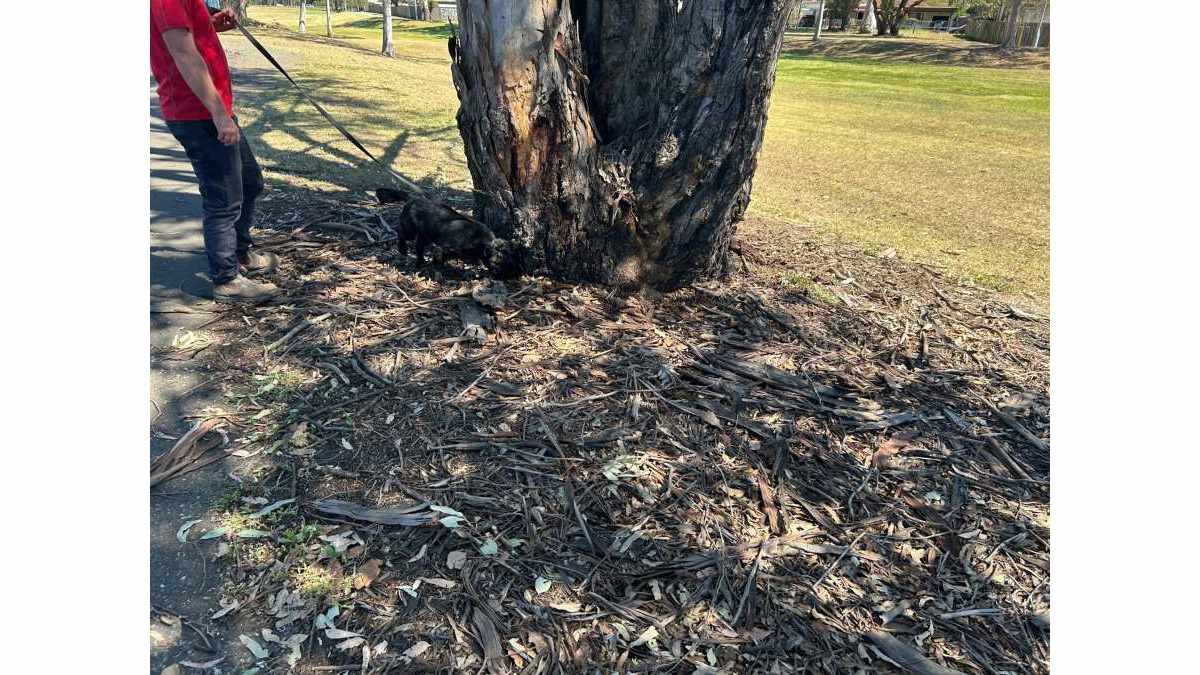
This is where a trained detection dog earns its place. Redback Pest Control Sydney uses specialised termite dog inspections alongside the Sentricon® system.
Conclusion: Choosing the Right Non-Chemical Termite Barrier
Choosing between physical barriers, baiting and a managed program comes down to your property, not a generic ranking. Existing homes usually suit baiting plus regular inspections; new builds can support a physical barrier installed to standard.
With over 30 years of experience, Redback Pest Control Sydney provides family-safe termite management, specialised termite dog inspections and the Sentricon® system, backed by a pest control warranty.
Frequently Asked Questions
Which termite barrier is best for an existing home?
For existing homes, baiting systems and physical barriers that can be retrofitted are often the most practical non-chemical options. Baiting systems involve installing in-ground stations around the perimeter and monitoring them regularly. Physical barriers like steel mesh may require trenching and drilling to install around the foundation. The best choice depends on your property’s construction, soil conditions, and termite pressure. A professional inspection can assess which option suits your situation.
Are termite baiting systems an alternative to chemical barriers?
Yes, termite baiting systems are a recognised alternative to chemical soil barriers. They work by placing bait stations in the ground around the home, which termites discover and feed on, eventually carrying the bait back to the colony. Unlike chemical barriers that create a treated zone in the soil, baiting targets the colony directly. However, baiting requires ongoing monitoring and maintenance to remain effective, and it may not suit every property or termite risk level.
How do physical termite barriers work?
Physical termite barriers work by creating a physical obstruction that termites cannot penetrate. Stainless steel mesh is installed around foundations, pipes, and penetrations, with mesh apertures too small for termites to pass through. Sand and basaltic particle barriers use graded particles that termites cannot tunnel through. These barriers do not rely on chemicals and can last the life of the building if installed correctly and left undisturbed. They are typically installed during construction or major renovations.
How often should a home be inspected for termites?
Most Australian standards recommend termite inspections at least annually, but the frequency can vary based on your location, termite pressure, and the type of barrier installed. Homes in high-risk areas may need inspections every six months. If you have a baiting system, inspections are typically required more frequently to check station activity and replenish bait. Regular inspections help detect early signs of termite activity and ensure your barrier remains intact.
Can landscaping and moisture control help reduce termite risk?
Yes, landscaping and moisture control play a key role in termite prevention. Termites are attracted to moisture, so fixing leaking taps, improving drainage, and avoiding overwatering gardens near the foundation can reduce risk. Keep mulch and soil below the weep holes and avoid storing timber against the house. Trimming shrubs away from the exterior walls improves airflow and makes inspections easier. These measures complement any barrier system but do not replace professional termite management.