
Table of Contents
- Why Fast, Reliable Pest Control Solutions Matter for Real Estate Agencies
- What Property Managers Commonly Need: Services and Common Pests
- Benchmarking Pest Control Response Time and Reliability
- A Tenant Pest Control Request Template That Gets Results
- The Pest Treatment Preparation Checklist for Occupied Properties
- What Pest Inspection and Treatment Reports Should Include
- Choosing a Provider: Agency-Focused Contracts and Compliance
- Frequently Asked Questions
Last Updated: October 17, 2026
Why Fast, Reliable Pest Control Solutions Matter for Real Estate Agencies
When a tenant reports cockroaches in a rental kitchen, the clock starts ticking on your agency’s reputation. Fast and reliable pest control solutions for real estate agencies are not a nice-to-have; they are the difference between a calm tenancy and a tribunal complaint.
A pest control solutions provider is a licensed business that inspects, treats and prevents pest activity across residential and commercial properties, usually under a scheduled service agreement.
Most agencies come to us after a problem, not before it. The smart ones build a system.
What Property Managers Commonly Need: Services and Common Pests
Property managers typically need two service streams: routine inspections and on-demand treatments for common pests like cockroaches, ants, spiders, rodents and termites. Termite inspections and treatments carry the highest stakes because the damage is structural and often hidden.
Residential and Commercial Coverage
Residential and commercial coverage should sit under one provider where possible. A single point of contact for rental homes, strata blocks and office tenancies cuts admin time and keeps treatment plan records consistent. Licensed technicians should handle both settings, with safe treatment options for occupied homes.
- Rodent control: baiting, trapping and proofing entry points
- Ant control and spider control: internal and external perimeter work
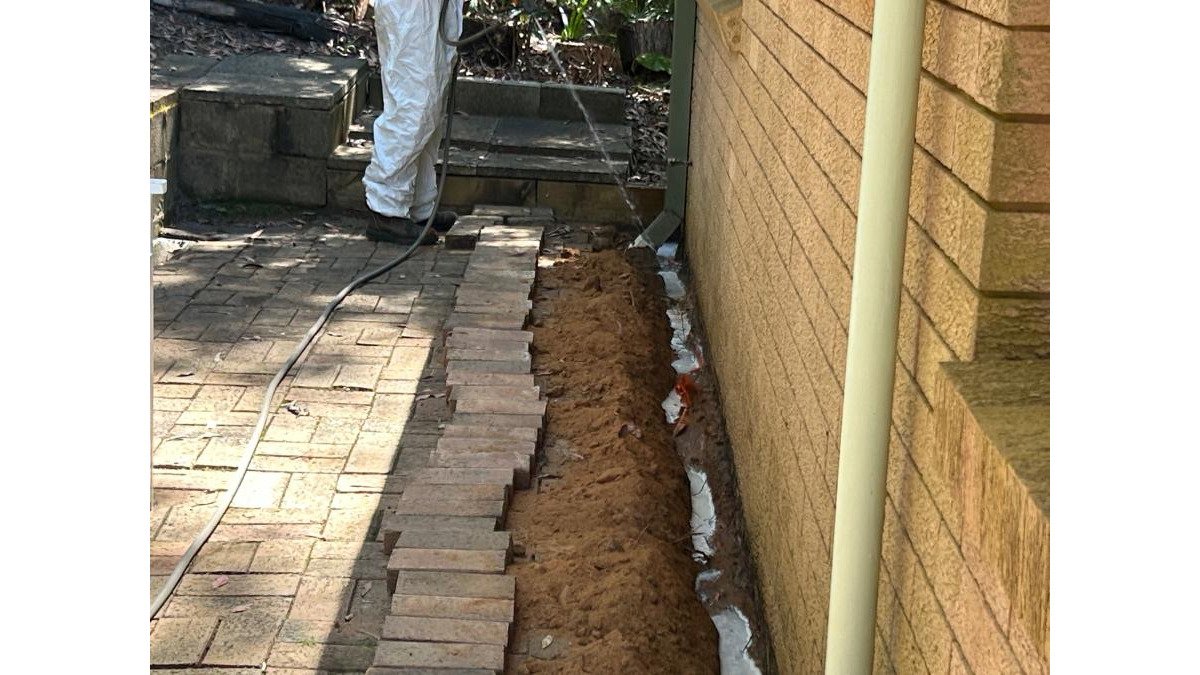
- Termite inspection and termite treatment, including termite barrier options
- End-of-lease treatment for vacating tenants
- Pre-purchase inspection support for sales teams
Benchmarking Pest Control Response Time and Reliability
“Fast” and “reliable” are the two most overused phrases in pest control marketing, and almost no provider defines them. For an agency, that vagueness is a liability: you cannot promise a landlord a resolution window you have not measured, and you cannot defend a tribunal complaint with a slogan. The fix is to turn both words into numbers you can track per property and per provider.
Define response tiers before you sign
A practical agency framework separates requests into three tiers, because a rodent in a shared kitchen and a spider in a garden shed do not deserve the same urgency.
- Urgent (health or safety): rodents in food areas, wasp nests near entryways, bites or allergic reactions reported. Target same-day triage and attendance within one business day where practicable.
- Standard (tenancy-affecting): cockroaches, ants or rodents in kitchens and bathrooms. Target attendance within one to two business days.
- Routine (preventive or end-of-lease): scheduled inspections, perimeter treatments and vacate treatments. Book into the next available run, ideally within five business days.
These are working benchmarks, not regulated standards. What matters is that your service agreement states the tier definitions and the attendance window for each, so expectations are set in writing rather than inferred from a website badge.
The four reliability metrics worth tracking
Speed without consistency is just luck. Log these four figures for every job and review them quarterly:
- Time to first contact, how long from the tenant’s report to a booked appointment.
- Attendance accuracy, the percentage of visits where the technician arrived inside the confirmed window.
- First-visit resolution, the share of jobs closed without a return visit.
- Follow-up completion, the share of warranty re-treatments completed inside the promised period.
A provider that hits its windows but needs three visits per issue is not reliable; a provider that is slightly slower but resolves in one visit often is. Track both dimensions.
How to verify claims before you commit
Ask for evidence, not adjectives. A credible provider should be able to supply:
- A sample service agreement showing the attendance windows and any exclusions.
- A de-identified job history or reference from another agency or strata manager.
- The name of the licensed technician assigned to your area and their licence details.
- A written escalation path if a booked visit is missed.
Run a one-page scorecard per provider: attendance accuracy, first-visit resolution, report turnaround and follow-up completion. After a quarter you will have evidence for owners who question the spend, and a defensible reason to switch if the numbers slip.
Build the benchmark into the contract
Put the tiers, the windows and the escalation path into the service agreement rather than a side email. That converts a marketing promise into a measurable commitment, and it gives you a documented basis for a service credit or a review meeting if performance drifts. Reliability, in practice, is a contract clause backed by a log, not a claim on a homepage.
A Tenant Pest Control Request Template That Gets Results
A good tenant pest control request template captures the pest, the location, the access details and photo evidence in one message. This reduces back-and-forth and helps the technician arrive prepared.
Copy this and adapt it for your agency:
Subject: Pest issue reported at [property address]
Hi [name],
A pest issue has been reported at [address]. Details:
- Pest type: [cockroaches / ants / rodents / termites / unsure]
- Location: [kitchen / bathroom / roof void / garden]
- First noticed: [date]
- Photos attached: [yes / no]
- Access: [tenant home / key in office / agent attending]
- Preferred times: [list]
- Pets or children on site: [yes / no]
Please confirm your attendance window and any preparation required before the visit.
Thanks,
[agency name] on behalf of [owner]
Tenant coordination matters here. Clear instructions reduce failed visits, which cost everyone time.
The Pest Treatment Preparation Checklist for Occupied Properties
Preparation is where pest treatment in occupied homes succeeds or fails. Tenants need simple, written instructions at least a day before the visit.

Give tenants this checklist:
- Clear bench tops, floors and skirting boards in treatment areas
- Store food in sealed containers and empty bins
- Cover or remove pet bowls, bedding and toys
- Remove children’s toys from treated rooms
- Arrange for pets and children to be out during the visit
- Confirm someone will be home, or hand keys to the agent
- Note any medical concerns for the technician
Skipping preparation is the most common reason a treatment underperforms. If a tenant leaves food exposed or refuses access to a room, the technician cannot treat it properly, and the pest issue returns within weeks.
What Pest Inspection and Treatment Reports Should Include
A usable inspection report names the pest, the evidence found, the treatment applied, the products used and the re-entry time. It should also state whether a follow-up service is included and what the warranty covers.
Reports feed directly into property management records. When a tenancy ends, a clean handover file with inspection history protects the agency if a dispute arises over bond or damage.
Choosing a Provider: Agency-Focused Contracts and Compliance
Most pest control pages are written for a homeowner booking a one-off spray. An agency buys differently: it needs coverage across a portfolio, predictable scheduling around tenancy turnover, documentation that survives a bond dispute, and a contract that defines what happens when a job goes wrong. Score providers against those needs, not against a generic list of pests treated.
Contract and pricing models to compare
Ask each provider to quote against the same three models so you are comparing like with like:
- Per-property call-out: a fixed attendance charge plus treatment, suited to occasional jobs but unpredictable across a portfolio.
- Portfolio service agreement: a scheduled inspection and treatment program across all managed properties, usually with priority response and a nominated account manager.
- Turnover or vacate package: a defined end-of-lease inspection and treatment bundle timed to the tenant’s exit.
Ask what the quote includes and excludes: call-out fees, after-hours surcharge, re-treatment under warranty, report delivery, and whether travel to regional or outer properties is charged separately. A low headline rate with add-on fees is rarely the cheapest across a year of tenancy churn.
Documentation and handover records to retain
A clean property file is the agency’s best protection when a bond or damage dispute arises. For every job, retain and file the same day:
- The inspection report naming the pest, evidence found and areas inspected.
- The treatment record: products used, method, areas treated and re-entry time.
- The safety information sheet suitable for passing to tenants.
- The invoice, cross-referenced to the property and the work order.
- Any warranty or follow-up commitment, with its expiry date.
At handover, this file shows a documented history of pest management, which supports the agency’s position on fair wear and tear versus tenant-caused damage. Ask providers for reports in a digital format you can attach to the property file immediately, and confirm they will address reports to the agency, not just the tenant.
Compliance and licensing checks
Confirm in writing that the provider holds current pest management licensing, public liability insurance and appropriate chemical-use authorisation, and that technicians carry identification. Ask how they handle access keys and alarm codes, and get the access protocol in the service agreement. For occupied properties, confirm they will document re-entry times so you can pass accurate guidance to tenants.
A scoring framework for shortlisting
Score each shortlisted provider out of five on the criteria that actually affect an agency, then compare totals rather than impressions:
| Criteria | What to Look For | Why It Matters for Agencies |
|---|---|---|
| Response tiers | Written windows per urgency tier | Sets tenant and owner expectations |
| Reporting | Digital report same day, addressed to agency | Supports handover and dispute records |
| Coverage | Residential, strata and commercial under one account | One provider, consistent records |
| Contract model | Portfolio agreement with defined inclusions | Predictable scheduling across churn |
| Safety | Documented products and re-entry times | Protects tenants, pets and children |
| Follow-up | Defined warranty and re-treatment terms | Fewer repeat complaints |
| Verification | References and sample agreement available | Evidence behind the claims |
Prevention and repeat-issue management across portfolios
Repeat issues usually trace back to one property with an untreated entry point. Build a simple log per address: pest type, date, treatment, outcome. Review it quarterly and flag any property with two or more visits in a season for a preventive inspection. When you are ready to move, you can Book On Line for a visit, and it is worth asking about current Special Offers for portfolio clients.
Frequently Asked Questions
How quickly can a pest control company respond to a real estate agency?
Response times vary by provider and urgency. Ask for a written service standard before signing: what counts as an emergency, the target attendance window, and what happens after hours. For urgent issues such as rodent activity flagged at a food premises, confirm the provider can attend promptly and that a licensed technician handles the job. Redback Pest Control Sydney offers a free quote and online booking, so agencies can lock in attendance details up front rather than discovering them mid-outbreak.
What information should a property manager provide when reporting a pest issue?
A complete report speeds up pest control response time. Include the property address and access details, the pest seen or suspected, where activity was noticed, photos if available, whether tenants are home, pets on site, and any previous treatments. Note whether the issue affects a food area or common property. Using a standard tenant pest control request template captures all of this in one step, so the provider arrives prepared with the right equipment and treatment plan.
What should a pest inspection and treatment report include?
A useful report names the pest and the areas inspected, the treatment applied and products used, safety advice for occupants, and any follow-up service required. It should identify conditions that invite pests, such as moisture or access points, and note whether a termite barrier or monitoring system is in place. Clear reports support handover records, owner updates and compliance documentation, and they help agencies track recurring issues across a property portfolio.
How can agencies reduce recurring pest problems in rental properties?
Recurring issues usually trace back to access, moisture or tenant habits. Build prevention into your routine: a pest treatment preparation checklist before each visit, sealed entry points, prompt repairs, and scheduled inspections rather than reactive call-outs. Keep pest inspection and treatment reports on file so patterns are visible. A licensed, accredited provider can recommend a treatment plan tailored to the property type, and a follow-up service confirms the problem is resolved.
Managing pests across a portfolio gets messy fast when every job is a one-off. Redback Pest Control Sydney offers scheduled service agreements, family-safe treatments, specialised termite dog inspections and the Sentricon® system for termite control, backed by over 30 years of experience. Get a free quote and build a pest management schedule that keeps tenants, owners and your compliance records covered.