
Table of Contents
- Why a Structured Pest Control Schedule Matters for Strata Properties
- Understanding Strata Pest Control Responsibility and Common Property
- Termite Inspection Schedule for Strata Buildings
- Building Your Strata Pest Inspection Checklist
- Pest-Specific Treatment Frequency and Timing
- Communicating Your Pest Control Schedule: Notice to Residents Template
- Implementing a Year-Round Pest Management Calendar
- Measuring Program Performance and Adjusting Your Schedule
- Frequently Asked Questions
Last Updated: October 9, 2026
Why a Structured Pest Control Schedule Matters for Strata Properties
A pest control schedule strata managed properties is your building’s defence against infestations that spread across shared walls and common areas. Without one, pests thrive in the gaps between inspections.

Strata buildings face a unique challenge: pests don’t respect lot boundaries. A termite colony in one wall can tunnel into three others, rodents in the roof void access every unit, and cockroaches migrate through shared plumbing.
The difference between buildings that stay pest-free and those that struggle is consistency.
A proactive pest control schedule for strata managed properties prevents infestations from spreading across shared spaces, protects property value, and demonstrates duty of care to residents and regulators.
Understanding Strata Pest Control Responsibility and Common Property
Body Corporate and Lot Owner Obligations
Your body corporate owns the common property. That includes roof voids, shared walls, building perimeter, entry points, and shared areas. You’re responsible for pest management in these spaces.
Individual lot owners manage their own units, but pests don’t stay contained: a termite treatment in common property protects all lots, while a cockroach infestation in one unit threatens the whole building.
The law expects your body corporate to maintain the building in good condition, including protecting it from pest damage.
Your strata manager should coordinate the pest control schedule strata, booking inspectors, arranging access, documenting results, and tracking follow-up treatments. Without this, inspections get missed and treatments lapse.
Tenant Access and Communication
Tenants need to know when pest control is happening so they can prepare and stay safe.
Send notice at least 7 days before treatment with the date, time, areas treated, preparation steps, and safety precautions.
Some residents worry about chemicals around children and pets. Address this directly by explaining the products used, how they’re applied, and that professional treatments are family-safe.
Establish a reporting procedure so residents can flag pest sightings between scheduled inspections.
Termite Inspection Schedule for Strata Buildings
Annual Inspections and Risk Assessment
Schedule at least one termite inspection per year. For buildings over 15 years old, in high-risk areas, or with previous termite history, inspect twice yearly.
The inspection covers the building perimeter, roof void, subfloor, common walls, and entry points. The inspector looks for mud tubes, damaged timber, and termite activity.
An annual inspection catches early activity before structural damage happens, saving tens of thousands in repair costs.
Risk factors that increase inspection frequency:
- Building age over 20 years
- Timber framing or weatherboard cladding
- Previous termite history
- Proximity to bushland or timber stockpiles
- High moisture in subfloor or roof void
Early Detection with Specialist Methods
Traditional visual inspections miss termites hidden deep in walls. That’s where specialist detection methods add real value.
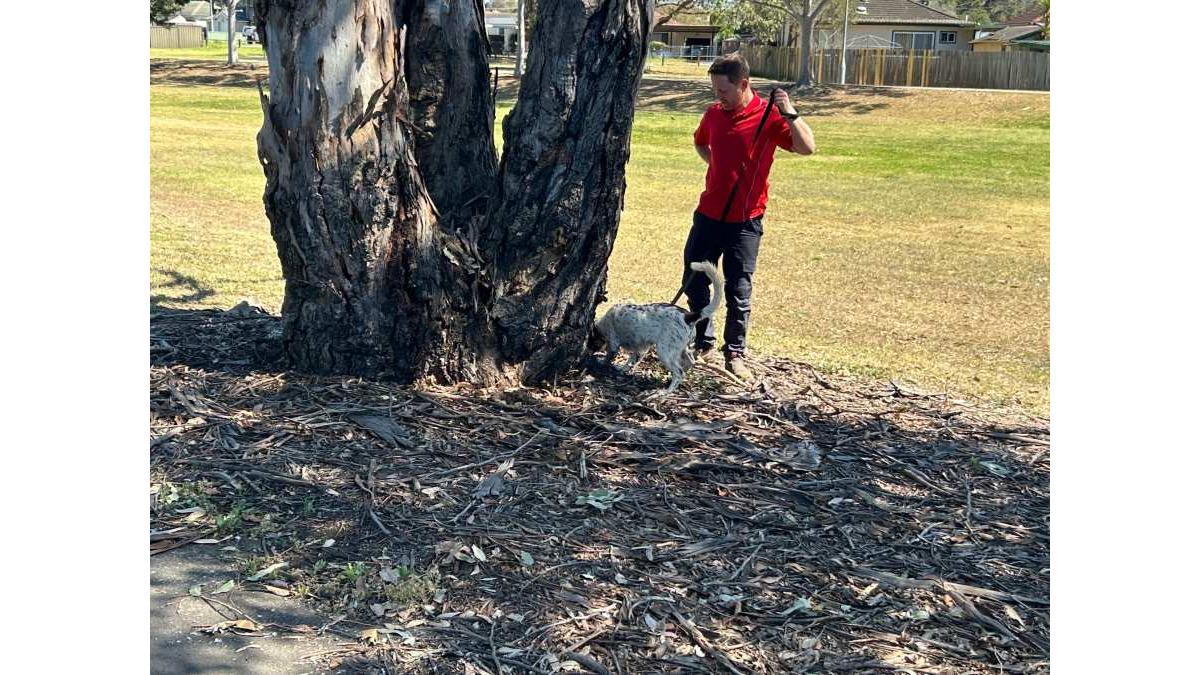
Termite detection dogs offer unmatched precision, speed, and reliability in identifying termite activity inside walls, under flooring, and in roof voids where visual inspection alone would find nothing, covering large areas in a single visit.
Both methods work best as part of a planned schedule, not as one-off responses to problems.
Building Your Strata Pest Inspection Checklist
What to Monitor in Common Areas
Your inspection checklist should cover every space where pests hide and breed:
- Roof void: Look for droppings, dead insects, mud tubes, damaged timber, moisture
- Subfloor: Check for mud tubes on stumps, damaged bearers, standing water, entry points
- External perimeter: Inspect foundation, weep holes, timber cladding, gaps around pipes
- Common areas: Check kitchens, rubbish rooms, storage areas for signs of rodents or cockroaches
- Entry points: Doors, windows, vents, pipe penetrations, seal gaps larger than 3mm
- Shared walls: Look for mud tubes, damage, or staining that signals termite activity
Document what you find with photos, dates, locations, and observations, a record that shows you’re managing the risk.
Documentation and Follow-Up
Every inspection should produce a written report listing what was found, where, and what action is needed.
If treatment is recommended, schedule it within 2 weeks. Delay and the infestation grows.
Schedule a follow-up inspection 2-4 weeks after treatment to confirm the pest activity has stopped, your proof the treatment worked.
Keep all reports for at least 5 years to show regulators, insurers, and potential buyers that you’ve managed pest risk responsibly.
Pest-Specific Treatment Frequency and Timing
Rodent Control and Baiting Systems
Rodents breed fast. A pair becomes a dozen in weeks. Schedule rodent control every 3 months in common areas.
Baiting stations go around the building perimeter and in high-risk zones: roof void, subfloor, rubbish room. Check stations monthly. Replace bait when consumed.
If you find droppings or activity, increase to monthly checks until the problem clears, then return to quarterly.
Rodent control works best when combined with exclusion: seal entry points, remove food sources, eliminate clutter where they hide.
Cockroach and Ant Treatment Schedules
Cockroaches and ants need different timing than termites. They’re faster breeders and hide in more places.
Schedule cockroach and ant treatment every 2-3 months in common areas, focusing on kitchens, rubbish rooms, and food storage or handling areas.
If residents report sightings in their units, treat those units too.
After treatment, monitor for activity: if you see droppings or insects within 4 weeks, call the service provider back.
Seasonal Pest Pressures and Adjustments
Pest activity changes with the seasons. Adjust your schedule to match.
Spring brings increased termite and ant activity as colonies expand after winter, so increase inspection frequency.
Summer sees more cockroaches, mosquitoes, and flies.
Autumn and winter are quieter for most pests, but rodents seek shelter indoors. Maintain rodent baiting and check entry points for new gaps.
This seasonal approach keeps you ahead of the peaks when pests are most active.
Communicating Your Pest Control Schedule: Notice to Residents Template
Key Information Residents Need
Your notice should answer:
- What pest control is happening?
- When and where?
- Why is it necessary?
- What should residents do to prepare?
- Is it safe for children and pets?
- Who do they contact with questions?
Here’s a template you can adapt:
NOTICE OF SCHEDULED PEST CONTROL TREATMENT
Dear Residents,
We are scheduling a pest control treatment for our building on [DATE] at [TIME].
Treatment Details:
- Type: [termite inspection / rodent baiting / cockroach treatment / etc.]
- Areas: [common property only / common areas and building perimeter / roof void / etc.]
- Duration: [estimated time]
- Product: [name and safety information]
Why This Matters:
Regular pest control protects our building from damage and keeps our community safe and healthy.
What You Should Do:
- Ensure common area access is clear
- Keep pets indoors during treatment (if applicable)
- Ventilate your unit for 2 hours after treatment
- Do not touch bait stations or treated areas
Safety:
All treatments use family-safe products applied by licensed professionals. Our building’s pest control meets all health and safety standards.
Questions?
Contact [strata manager name] at [contact details].
Thank you for your cooperation.
Preparation Steps and Safety Guidance
Before treatment day, residents need clear instructions.
For termite inspections, residents need do little since the inspector works in common areas, but tell them the inspector will be on-site and may need brief access to roof void entry points.
For rodent and cockroach treatment, ask residents to:
- Clear clutter from under sinks and behind appliances
- Remove pet food and water bowls before treatment
- Keep windows closed during application
- Ventilate for 2 hours afterward
For baiting systems, explain that bait stations are locked and inaccessible to children and pets.
Safety guidance should be clear and specific: give the product name, how it works, and what to do with concerns, rather than just saying “it’s safe”.
Never use untested or unregistered pest control products in common property. Always use licensed professionals who follow Australian pest control standards and use products registered with the APVMA (Australian Pesticides and Veterinary Medicines Authority). Unlicensed treatments expose your body corporate to liability.
Implementing a Year-Round Pest Management Calendar
Spring: Inspection and Prevention Focus
Spring is when termite colonies wake up and expand, your critical window for termite inspection.
Schedule your annual termite inspection in September or October. If you find activity, treat immediately. Spring treatment stops the colony before it causes damage.
Check roof voids for moisture and ventilation. Poor airflow creates conditions termites and rodents love. Fix gutters and downpipes that leak.
Summer: Increased Activity and Monitoring
Summer brings heat and humidity. Pests thrive. Cockroaches multiply. Rodents seek cool shelter indoors. Mosquitoes breed in standing water.
Increase inspection frequency. Check baiting stations monthly instead of quarterly. Look for new activity.
Remove standing water from gutters, planters, and common areas. Mosquitoes breed in water left for just a few days.
Keep rubbish areas clean. Empty bins regularly. Seal food waste containers. Rodents and cockroaches are drawn to food.
Summer is when residents notice pest problems most, so respond quickly.
Autumn and Winter: Maintenance and Planning
Autumn and winter are quieter for most pests, but don’t relax: rodents seek shelter indoors, so maintain baiting and monitoring.
Use this quieter period to plan next year’s schedule, reviewing what worked and adjusting based on the year’s findings.
Winter is also the time for major repairs without disrupting residents: fix moisture problems, damaged timber, or structural issues that pests exploit.
Measuring Program Performance and Adjusting Your Schedule
Your pest control program should show results, so track what you’re doing and finding.
Keep a log of all inspections, treatments, and findings. After 12 months, review the data:
- How many pest sightings did residents report?
- How many infestations did you find and treat?
- Did treatment frequency reduce activity?
- Are follow-up inspections showing the problem cleared?
If pest activity is increasing, increase frequency or change treatment methods.
If you’re finding nothing, your schedule might be more frequent than needed, though it’s hard to argue against prevention that’s working.
The goal is a schedule that catches problems early, treats them effectively, and keeps your building pest-free, one unique to your building, found through data.
Document everything. Photos, reports, dates, and findings create a record that protects your body corporate. If a resident claims negligence or an insurer questions your management, that record shows you acted responsibly and consistently.
A structured pest control schedule for strata managed properties isn’t just about treating pests, it’s about protecting your building’s structure, keeping residents safe, and managing risk. Your building’s needs may differ based on age, location, and history. When you’re ready to implement or refine your schedule, book an inspection online or explore special offers to get started with professional support tailored to your building’s pest control needs.
Frequently Asked Questions
How often should strata properties have pest control inspections?
Annual termite inspections are standard for most strata properties, though frequency depends on risk factors such as building age, construction type, and local pest pressure. Properties with a history of infestation may require twice-yearly inspections. Rodent and cockroach treatments typically occur quarterly or semi-annually. A professional pest management provider can assess your building’s specific risk profile and recommend an appropriate schedule that protects common property and individual lots.
Who is responsible for pest control in strata properties under strata pest control responsibility rules?
The body corporate is responsible for pest management in common property, including shared walls, roof voids, entry points, and communal areas. Individual lot owners are responsible for their own units. Tenants should report pest activity to their landlord or the strata manager immediately. Clear communication and a documented pest control schedule ensure that both common-area treatments and individual lot issues are addressed promptly and prevent disputes over treatment costs.
What should be included in a strata pest inspection checklist?
A comprehensive strata pest inspection checklist should cover roof voids and sub-floor areas, entry points and external walls, shared plumbing and waste areas, kitchen and food storage zones, signs of pest activity (droppings, damage, nesting materials), baiting stations and their condition, and previous treatment records. Documentation of findings, photographs of problem areas, and recommendations for follow-up treatment or preventive measures are essential. This checklist helps ensure consistency across inspections and provides evidence for warranty claims.
When should strata managers send a pest control notice to residents template?
Residents should receive notice at least 7-14 days before scheduled pest control treatment. The notice should specify the treatment date and time, which areas will be treated, any preparation required (securing pets, removing food items), safety precautions, and contact details for questions. For termite inspections using detection dogs, shorter notice may be acceptable since no preparation is needed. Clear communication reduces disruption, improves resident cooperation, and ensures the treatment is as effective as possible.