
Table of Contents
- Understanding Pest Control Termite Infestations
- Termite Inspection Methods and Early Detection
- Termite Treatment Options: What Works
- Termite Treatment Safety for Pets and Children
- How Long Termite Treatment Takes
- Preventing Termite Damage: Long-Term Management
- Choosing a Licensed Pest Management Provider
- Frequently Asked Questions
Last Updated: October 10, 2026
Understanding Pest Control Termite Infestations
Termites are among the most destructive pests affecting Australian properties. These wood-eating insects can cause structural damage worth thousands of dollars before a homeowner even knows they’re present. At Redback Pest Control Sydney, we’ve spent over 30 years helping property owners and facility managers protect their buildings from termite damage through early detection and effective pest control termite strategies.
Termites work inside walls, under floors, and deep within timber structures where the naked eye cannot reach. By the time visible damage appears, the infestation is often well established, which is why professional pest control termite services focus on detection before treatment becomes necessary.
Early intervention through proper inspection and monitoring can save property owners significant expense.
Termite Inspection Methods and Early Detection
Professional pest control termite inspections combine multiple detection approaches to identify activity before structural damage occurs, examining all accessible areas for signs of termite presence, damage, or conducive conditions.
Traditional Visual Inspection
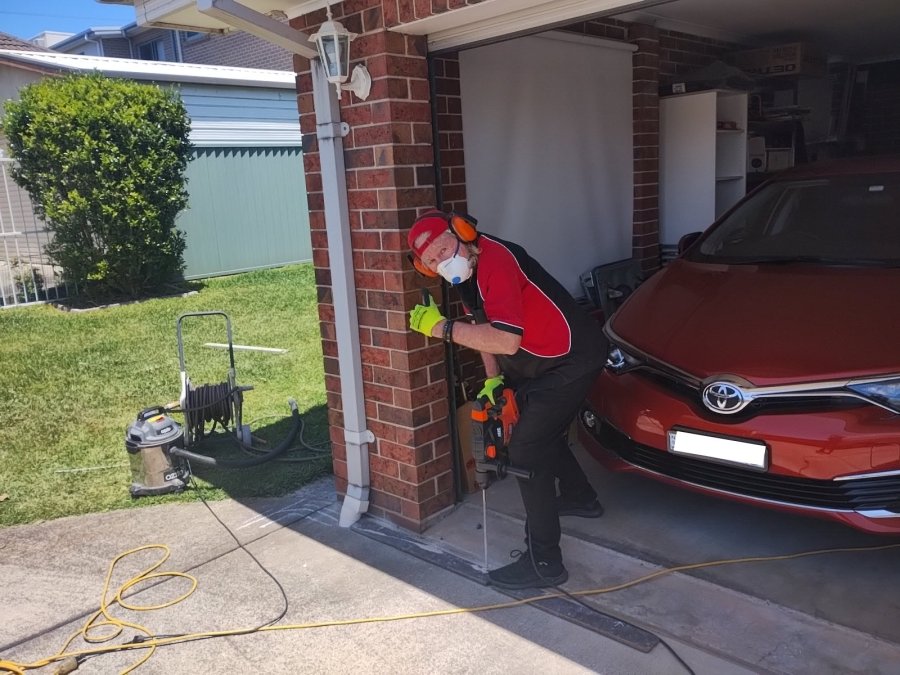
Visual inspection remains the foundation of pest control termite detection, with trained technicians examining timber elements, mud tubes, wood condition, and moisture. However, this method has significant limitations.
Walls, cavities, and concealed spaces often hide termite activity, making detection technology essential.
Termite Detection Dog Technology
Termite detection dogs represent a major advancement in pest control termite services, identifying infestations in concealed areas that visual inspection alone would miss.
Dogs like Andy from Redback Pest Control Sydney work alongside licensed technicians, using their acute sense of smell to locate termite colonies hidden deep within structures and alert handlers to specific locations requiring further investigation. These specially trained canines offer unmatched precision, speed, and reliability in identifying termite activity before it causes structural damage.
Termite detection dogs are particularly effective for pre-purchase inspections and large commercial properties where traditional visual inspection alone may miss hidden infestations in concealed spaces.
Termite Treatment Options: What Works
Once termites are detected, pest control termite treatment options vary based on infestation severity, property type, access, and structural risk. Professional providers typically recommend a combination approach.
Chemical Barriers and Non-Repellent Termiticides
Chemical barriers create protection zones around building perimeters and timber elements.
When applied correctly by licensed technicians, chemical barriers provide long-term protection depending on the product and soil conditions.
Suitability: Best for established infestations and perimeter protection on existing buildings. Requires soil access around foundations.
Disruption: Moderate. Sub-floor and external application minimises interior disturbance, though some internal wall drilling may be necessary to reach concealed galleries.
Timeline: Initial application takes one to three days. Results typically visible within two to four weeks as termites contact treated zones and the treatment spreads through the colony.
Limitations: Requires accessible soil or timber for application. Not suitable for properties with extensive concrete slabs or where soil access is severely restricted.
Physical Barriers and Termite Management Systems
Physical barriers prevent termites from accessing timber structures entirely through metal shields, concrete barriers, and specialised termite management systems.
Specialised bait systems use targeted stations containing slow-acting active ingredients that eliminate termite colonies while minimising chemical use.
Suitability: Ideal for new construction (barriers installed during building), pre-purchase protection, and properties with children or pets.
Disruption: Minimal for bait stations, they are typically placed in discrete, tamper-resistant boxes.
Timeline: Bait systems typically require four to eight weeks for complete colony elimination, as the process relies on termite foraging behaviour and gradual spread through the nest.
Limitations: Bait systems require regular monitoring to ensure stations remain active. Physical barriers during construction add to building costs but are highly cost-effective long-term.
Insect Growth Regulators and Dust-Based Methods
Insect growth regulators disrupt termite reproduction, preventing new workers and soldiers.
Growth regulators eliminate colonies over time by targeting reproduction.
Suitability: Growth regulators suit infestations where slow, thorough elimination is acceptable and environmental impact is a priority.
Disruption: Dust application may require drilling access holes in walls or floors, creating temporary disruption. Growth regulators applied via bait stations have minimal disruption.
Timeline: Four to twelve weeks for complete colony elimination, depending on colony size and foraging patterns. Slower than chemical barriers but highly effective for hidden infestations.
Limitations: Requires patience, results are not immediate. Dust methods require precise application to be effective. Growth regulators work best when combined with monitoring to confirm colony elimination.
Comparison Summary
| Treatment Method | Best For | Speed | Disruption | Long-Term Cost | Environmental Profile |
|---|---|---|---|---|---|
| Chemical barriers | Established infestations, perimeter protection | Fast (2-4 weeks) | Moderate | Low (5-8 year protection) | Standard chemical |
| Physical barriers | New construction, pre-purchase | Immediate | Minimal (new build) or high (retrofit) | Very low (permanent) | Non-chemical |
| Bait systems | Urban properties, sensitive sites | Slow (4-8 weeks) | Minimal | Moderate (ongoing monitoring) | Targeted, low-impact |
| Dust & growth regulators | Concealed infestations, sensitive environments | Slow (4-12 weeks) | Moderate (access drilling) | Moderate | Low-impact |
No single method suits every situation. Professional providers assess infestation location, property construction, access constraints, and environmental preferences to recommend the most effective combination. Early detection allows use of slower, lower-impact methods; advanced infestations often require faster chemical or combination approaches.
Termite Treatment Safety for Pets and Children
Modern professional pest control termite treatments are designed to be effective while minimising risk to household occupants.
Redback Pest Control Sydney maintains a family-safe guarantee across all pest control termite services. Professional application by licensed technicians ensures treatments are placed where children and pets cannot access them.
Physical barriers and bait systems like Sentricon® offer additional safety advantages through targeted, contained delivery. When applied by professionals, these pest control termite methods protect properties effectively without compromising family wellbeing.
Never attempt DIY termite treatment with hardware store products. Improper application can leave infestations untreated while exposing your family to unnecessary chemical risk. Professional application ensures both effectiveness and safety.
How Long Termite Treatment Takes
The timeline for pest control termite treatment varies based on infestation extent, treatment method chosen, and property size. Understanding what to expect before, during, and after treatment helps property owners plan appropriately and recognise when retreatment may be necessary.
Pre-Treatment Preparation
Before professional pest control termite treatment begins, property owners should prepare the site to ensure safe, effective application:
- Clearing access: Remove stored items, furniture, and clutter from sub-floor spaces, roof cavities, and wall cavities to allow technicians full access to timber elements and treatment areas.
- Securing pets and children: Arrange for household occupants and pets to be away from the property during application, typically for four to eight hours depending on the treatment method.
- Protecting belongings: Cover or remove items from areas where dust or liquid treatment may drift.
- Identifying problem areas: Mark visible termite damage, mud tubes, or areas of concern so technicians can prioritise inspection and treatment.
Initial Treatment Timeline
Initial pest control termite treatment typically takes one to three days depending on property size, access requirements, and treatment method chosen.
Chemical barrier application: One to two days. The property is typically safe for re-entry within four to eight hours, though some products require longer ventilation periods.
Bait system installation: One day. Re-entry is immediate; stations are designed for safe coexistence with household occupants.
Dust and growth regulator application: One to two days. Re-entry restrictions vary by product, typically four to eight hours.
Re-Entry and Safety Guidance
Chemical barrier treatments: Most modern non-repellent termiticides are safe for re-entry within four to eight hours. Avoid disturbing treated soil or sub-floor areas for at least 48 hours to allow the treatment to set properly.
Bait systems: Safe for immediate re-entry. Keep children and pets away from station locations.
Dust and growth regulators: Re-entry times vary by product, typically four to eight hours. Avoid disturbing treated areas for at least one week.
Monitoring Results and Timeline to Effectiveness
Different treatment methods show results on different timelines:
Chemical barriers: Colony-wide elimination typically occurs within two to four weeks as the treatment spreads through the nest. Visible reduction in termite activity usually appears within three to four weeks.
Bait systems: Complete colony elimination typically takes four to eight weeks. Monitoring visits confirm when activity has ceased.
Dust and growth regulators: Growth regulators prevent reproduction, so the colony declines as workers die naturally, typically four to twelve weeks for complete elimination.
Follow-Up Inspections and Monitoring Schedule
Initial monitoring phase: Four-week intervals for the first three months confirm that termite activity has ceased. For bait systems, technicians check station integrity and refill or replace stations as needed.
Ongoing monitoring: After initial confirmation of treatment success, monitoring typically shifts to quarterly or annual inspections depending on:
- Treatment type and property risk level
Regular monitoring catches any new activity early, preventing major infestations from developing.
When Retreatment May Be Necessary
Retreatment is occasionally necessary if:
- New infestations appear: A new inspection and targeted treatment address new activity.
- Chemical barrier renewal: Non-repellent termiticide barriers require renewal.
- Bait station depletion: Stations may require refilling or additional placement.
- Treatment failure: Additional treatment targets missed areas.
Professional providers typically warranty their work and retreat at no charge if termite activity recurs within that window. Discuss warranty terms when booking treatment.
Never assume treatment is complete without professional follow-up inspection. Termite colonies can be extensive, and incomplete treatment leaves structural risk. Monitoring visits are not optional, they confirm that your property is protected.
Preventing Termite Damage: Long-Term Management
Long-term pest control termite management focuses on reducing conditions that attract termites and maintaining barriers that prevent access.
Moisture management is critical, fix leaks, improve drainage, and reduce humidity in sub-floor spaces. Remove timber debris, keep mulch away from foundations, and maintain clear space between soil and timber structures.
Regular professional inspections provide the best early warning system. Annual or bi-annual pest control termite inspections catch infestations before damage occurs.
Choosing a Licensed Pest Management Provider
Selecting the right pest control termite provider matters significantly. Licensed technicians understand local termite species and apply methods safely and effectively.
Redback Pest Control Sydney brings over 30 years of experience protecting Sydney, Campbelltown, Parramatta, Blacktown, Liverpool, and all of Western Sydney from termite damage. We offer Special Offers on Termite Control services to help protect your property affordably.
When comparing providers, ask about their inspection methods, treatment options, follow-up protocols, and guarantees.
Property managers overseeing multiple residential or commercial sites benefit most from providers offering scheduled monitoring programs, transparent pricing, and reliable service across all locations.
Termite infestations develop silently and cause expensive damage before most property owners realise the problem exists. Early detection through professional pest control termite inspections, particularly those using termite detection dogs, catches infestations before they threaten structural integrity. Redback Pest Control Sydney combines advanced detection technology, proven treatment methods, and comprehensive follow-up monitoring to protect your property.
Frequently Asked Questions
How does a termite detection dog find termites?
Termite detection dogs are trained to identify the scent of active termite colonies, which traditional visual inspection often misses. Unlike visual methods that rely on spotting visible damage or droppings, trained canines can detect termite activity hidden deep within walls, floors, and other concealed entry points. Their sense of smell is precise enough to locate infestations before structural damage becomes apparent, making them invaluable for early detection and preventing extensive property damage.
What pest control termite treatment is safest for pets and children?
Modern non-repellent termiticides and physical barrier systems are designed with family safety in mind. These treatments work by disrupting termite colonies rather than creating toxic barriers, meaning reduced chemical exposure in living areas. Licensed technicians apply treatments to concealed spaces and structural elements, keeping application away from high-contact zones. Always discuss your household composition with your pest management provider to ensure the chosen method meets your safety requirements before treatment begins.
How long does pest control termite treatment take to work?
Initial treatment typically takes one to three days depending on property size and infestation severity. However, complete termite control requires ongoing monitoring. Follow-up inspections are scheduled at regular intervals to confirm treatment effectiveness and detect any new activity. Most termite management systems involve a drying process and establishment period of several weeks before full effectiveness. Your licensed technician will outline the complete timeline and schedule necessary follow-up visits during the initial consultation.
What should you do after termites are found during inspection?
Once termites are confirmed through inspection or detection dog assessment, your pest management provider will recommend a treatment strategy tailored to your property type and infestation level. For residential properties, this may include physical barriers, chemical treatments, or termite management systems like Sentricon. Commercial properties and government facilities may require more comprehensive approaches. A licensed technician will explain treatment options, timelines, and ongoing monitoring requirements. Book a follow-up appointment to begin treatment and establish a prevention schedule.