

Table of Contents
- Termite Inspection Frequency: The Short Answer
- What Happens During a Termite Inspection
- How Long Does a Termite Inspection Take?
- Your Termite Inspection Checklist for Inspection Day
- Termite Inspection After Treatment: Why Follow-Ups Matter
- How to Choose a Qualified Termite Inspector
- Inspection Limitations and Inaccessible Areas
- Conclusion
- Frequently Asked Questions
Last Updated: October 12, 2026
Termite Inspection Frequency: The Short Answer
Most properties need a professional termite inspection once a year. If your home sits in a high-risk area, or has had termite activity before, plan for one every six months instead. That is the short answer to the question of what is the frequency of professional termite inspections.
Termite inspection frequency is simply how often a qualified inspector checks your property for termites and timber pests. It is not the same as your report’s validity period or your treatment warranty. Those are separate things, and mixing them up is one of the most common and costly mistakes we see.
So why does the interval matter so much? Termites work quietly. By the time you spot damage, a colony has often been feeding for months. Regular checks are how you catch them early, before the repair bill climbs.
Below, we break down what happens during an inspection, how long it takes, and how to pick the right schedule for your property.
What Happens During a Termite Inspection
A professional termite inspection is a visual assessment of your property’s timber, moisture, and termite risk areas, carried out by a trained technician.
The inspector works methodically. They check the building’s perimeter, then move inside and under it. They look for live termites, mud tubes, damaged timber, and conditions that attract termites, like damp soil or poor drainage.
Areas Inspectors Examine
- The subfloor, including bearers and joists
- The roof void and ceiling timbers
- Internal walls, skirting boards, and architraves
- Fences, retaining walls, and timber landscaping
- Gardens, trees, and any timber close to the building
- Moisture-prone spots like bathrooms and laundries
Every finding goes into a written inspection report. That report is your record of the property’s condition on the day, and it is what you act on next.
How Long Does a Termite Inspection Take?
A standard termite inspection takes between 45 minutes and two hours for most homes. Larger properties, or ones with hard-to-reach areas, can take longer.
The time depends on a few things:
- Property size and layout
- How accessible the subfloor and roof void are
- The number of outbuildings, fences, and trees
- Whether the inspector finds activity that needs closer checking
A rushed inspection is a red flag. If someone claims to check a full house in fifteen minutes, they are not doing the job properly. A thorough inspection takes time because termites hide in concealed areas.
Your Termite Inspection Checklist for Inspection Day
A little preparation makes the inspection faster and more accurate. Here is a checklist for preparation before an inspection.
- Clear stored items away from external walls
- Move boxes and clutter out of the subfloor and roof void
- Trim plants and mulch back from the building’s base
- Make sure the inspector can access the subfloor hatch
- Note any signs you have seen, like mud tubes or damaged timber
- Have previous inspection reports and treatment records ready
- Secure pets and clear a path for the inspector
Keep your last two or three inspection reports in one folder. Inspectors compare old findings to new ones, and a clear history often reveals a slow-moving problem that a single visit would miss.
Termite Inspection After Treatment: Why Follow-Ups Matter
A termite inspection after treatment confirms the treatment is working and no new activity has appeared. It is a separate step from the original inspection, and skipping it leaves you exposed.
This is where most homeowners get caught out. Three different timelines get bundled together in conversation, and they are not the same thing:
- Inspection frequency, how often a qualified technician physically checks the property. For most homes this is annual; for higher-risk properties it is every six months.
- Report validity, how long the written report is treated as a current snapshot of the property’s condition. Reports are point-in-time documents. A report from eight months ago does not describe the property today, and most lenders, buyers, and insurers treat a report as stale well before the next annual inspection falls due.
- Treatment warranty, the period during which the treatment provider will honour their obligations, usually conditional on you keeping up the required inspections and not disturbing the treated zone.
The trap is assuming one covers the others. A current report does not extend a warranty. A warranty does not replace an inspection. And an inspection does not guarantee termites will never return, it records what was visible on the day.
Follow-Up Timing After Treatment
Follow-up timing depends on the treatment method and the warranty terms, and it should be given to you in writing. Common patterns include:
- A check within the first few months after a liquid soil treatment or baiting program is installed, to confirm the treated zone is holding.
- Ongoing monitoring at intervals set by the provider while a baiting system is in place.
- A return to the standard annual or six-monthly inspection cycle once the treatment is established.
If your provider cannot tell you the exact follow-up schedule in writing, that is a warning sign. Verbal assurances are difficult to rely on if a dispute arises later.
Many treatment warranties are conditional on you maintaining inspections at the required interval. Miss one, and the provider may decline to honour a re-treatment claim even if termites return. Read the warranty conditions before you sign, and diarise the inspection dates they require.
What to Do If an Inspection Finds Activity or Damage
Finding activity is not the end of the story, it is the start of a decision path:
- Confirm the finding. Ask the inspector to show you what they saw, or where on the report the evidence is recorded. Photographs and location notes make the finding concrete.
- Get treatment advice in writing. The recommendation should name the method, the areas to be treated, and the expected follow-up.
- Arrange follow-up monitoring. This is where the schedule resets. After a confirmed infestation, six-monthly checks are the common baseline until activity has been absent for a sustained period.
- Keep every document. Reports, treatment certificates, and warranty terms form the paper trail that protects you if a claim is ever needed.
At Redback Pest Control Sydney, we use the Sentricon® system for termite control and follow-up monitoring.
How to Choose a Qualified Termite Inspector
Choose an inspector who is licensed, insured, and experienced with the termite species and building styles common in your area. Ask questions before you book, and verify the answers rather than taking them on trust.
Credentials to Verify
- A current pest management licence. Ask for the licence number and check it against the relevant state or territory licensing register. A licence that cannot be produced on request is a red flag.
- Proof of insurance. Public liability and professional indemnity cover matter if something is missed or damaged during the inspection.
- Termite-specific experience. General pest control and termite inspection are different skill sets. Ask how many termite inspections the technician performs in a typical month.
- A written report included in the service. Confirm the report is part of the standard fee, not an optional extra, and ask to see a sample.
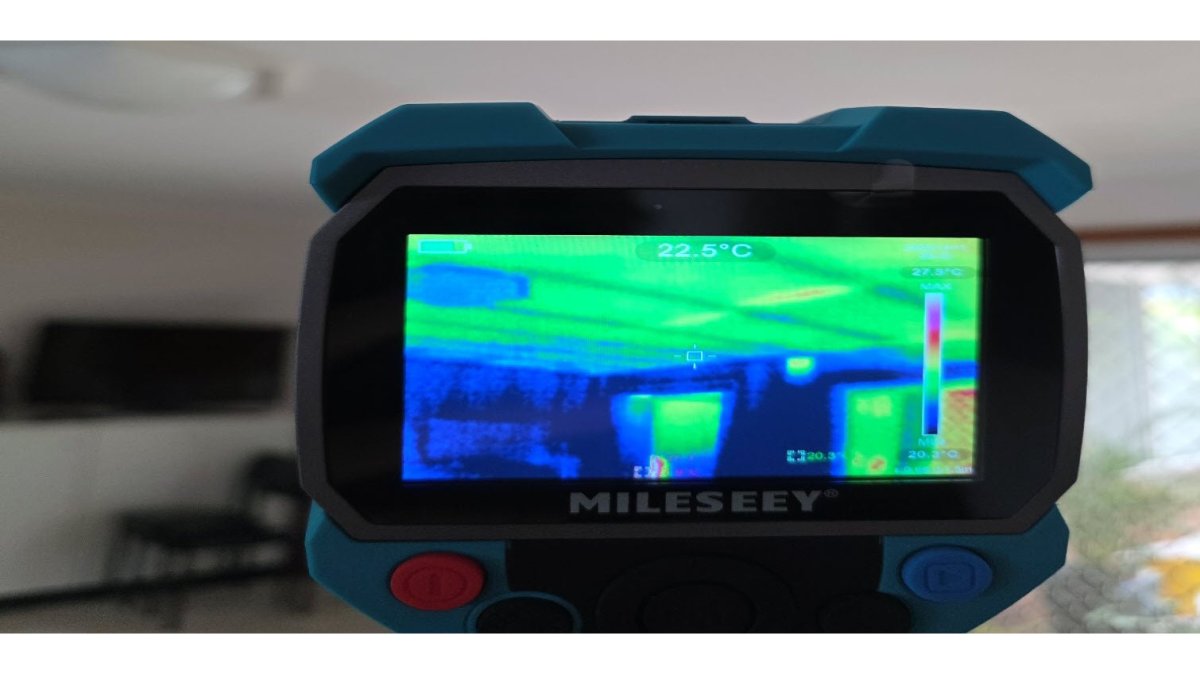
- Detection equipment. Moisture meters, sounding tools, and thermal or canine detection methods all extend what a visual inspection can find. Ask which tools will be used on your property.
Questions to Ask Before You Book
A short conversation before the appointment tells you a lot about the depth of the service:
- Which areas of the property will be inspected, and which will not?
- How will inaccessible areas be recorded in the report?
- What is the expected duration for a property of this size?
- Will the report note previous findings and compare them to the current visit?
- What follow-up interval do you recommend for this property, and why?
If the answers are vague, or the quote is noticeably lower than others, the inspection is likely to be shorter and less thorough.
The cheapest quote often skips the roof void, the subfloor, or both. A cheap inspection that misses a concealed area can cost you thousands in repairs later. Price is a poor proxy for thoroughness in this trade.
What a Good Report Should Contain
A report worth paying for will typically include:
- The date of inspection and the inspector’s licence details
- A description of the property and the areas inspected
- Any areas that could not be accessed, and why
- Findings, with locations noted
- Photographs or diagrams where activity or damage is identified
- A recommendation for the next inspection interval
If your report is a single page with no mention of limitations, ask for a more detailed version. Honest reporting is a sign of a professional.
We are proud of our specialised termite dog inspections. A trained dog can pick up termite activity that the human eye misses, especially in concealed or hard-to-reach spots. It is one of the tools our team brings to every property.
For property managers running multiple sites, ask about scheduled programs. Regular visits across a portfolio keep every property on track without you chasing dates, and the reporting history across sites becomes a useful record in its own right.
Inspection Limitations and Inaccessible Areas
No inspection can check every part of a property. Some areas are simply inaccessible, and a good report will say so.
Common limitations include:
- Sealed subfloors or no access hatch
- Filled or blocked roof voids
- Wall cavities behind fixed linings
- Areas blocked by stored goods or heavy furniture
- Concreted or paved areas over soil
A report should list what was inspected and what was not. If your inspector does not flag the gaps, ask why. Honest reporting is a sign of a professional.
An inspection report tells you the property’s condition on the day. It is not a guarantee that termites will never appear. Regular checks over time are what actually protect your home.
Conclusion
Termites do not announce themselves, and the damage they cause rarely shows until it is serious. Sticking to a yearly inspection, or a six-month schedule for higher-risk properties, is the simplest way to stay ahead of them.
Redback Pest Control Sydney has protected homes and businesses across Western Sydney for over 30 years. We offer family-safe treatments, specialised termite dog inspections, and the Sentricon® system to guard your timber structures. Our team also services government organisations and the local community.
Get started with Redback Pest Control Sydney and book an inspection that keeps your property protected year after year. Get A Free Quote today.
Frequently Asked Questions
How often should a professional termite inspection be carried out?
For most homes, an annual termite inspection is the baseline. If your property sits in a high-risk area, has had termite activity before, or has timber close to soil, a six-monthly schedule gives you earlier warning. Your termite inspection frequency should reflect your property’s actual risk rather than a fixed rule, so ask your inspector to recommend an interval after each visit.
What factors affect how often a home needs a termite inspection?
Key factors include your property location and regional termite risk, previous infestation history, moisture and drainage problems, ventilation in the subfloor, and how much timber touches soil. Homes near bushland or with poor drainage usually need more frequent checks. Property managers overseeing multiple sites often set six-monthly inspections for higher-risk buildings and annual ones for lower-risk properties.
Should you arrange an inspection after finding signs of termites?
Yes. If you spot mud tubes, damaged timber, or flying termites, book a professional inspection straight away rather than waiting for your next scheduled visit. Early detection limits damage and gives you clearer treatment options. A termite inspection after treatment is also essential, since follow-up checks confirm the colony has been controlled and the barrier is still working.
Can a termite inspection detect activity hidden inside walls or floors?
A thorough inspection can detect concealed activity, but not every area is accessible. Inspectors use moisture meters, thermal tools, and careful tapping to find termite evidence inside wall cavities and floors. Where access is blocked by concrete, tiles, or stored goods, the inspection report should note those limitations. Regular inspections build a picture over time, which helps catch changes early.