

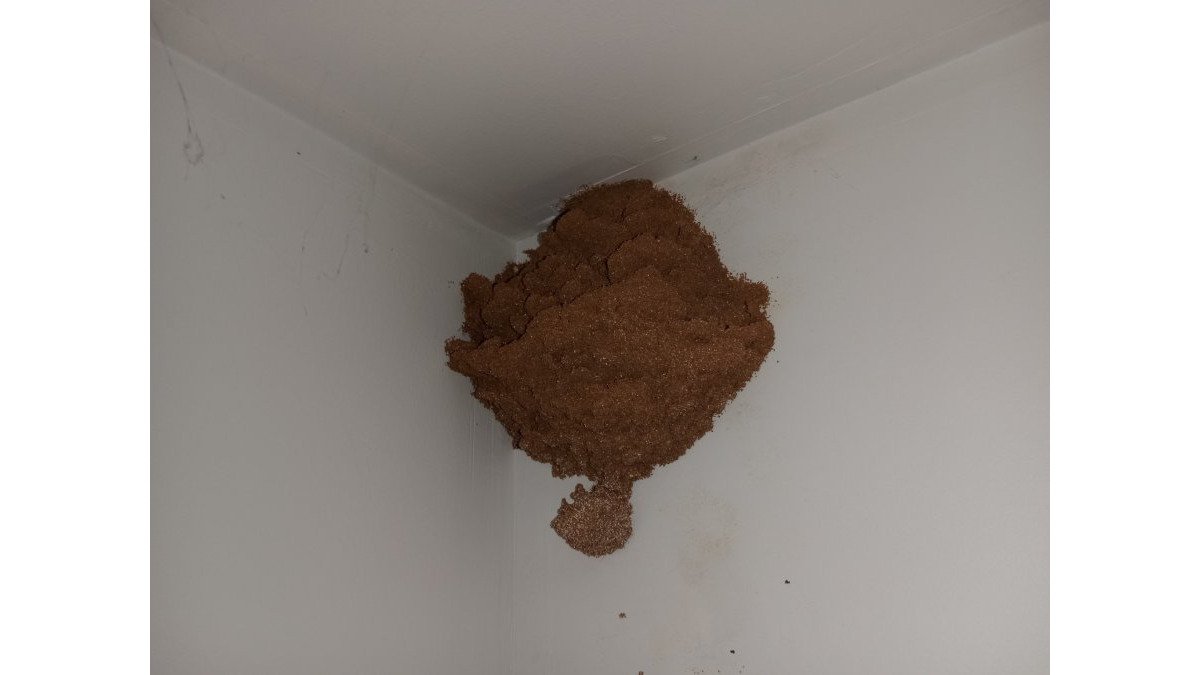
Table of Contents
- Are Termite Inspections Mandatory for Home Loans?
- Pre-Purchase Termite Inspection: What Buyers Need to Know
- Home Loan Termite Report Requirements Lenders Look For
- What Does a Termite Inspection Include?
- How Often Should You Get a Termite Inspection?
- When to Book the Inspection in the Purchase Timeline
- Handling Active Infestation, Damage or Inconclusive Findings
- Frequently Asked Questions
Last Updated: October 18, 2026
Are Termite Inspections Mandatory for Home Loans?
No, termite inspections are not universally mandatory for home loans in Australia. Most lenders do not require one as a condition of finance approval, but many buyers still book a pre-purchase termite inspection because the risk of hidden damage sits with them, not the bank.
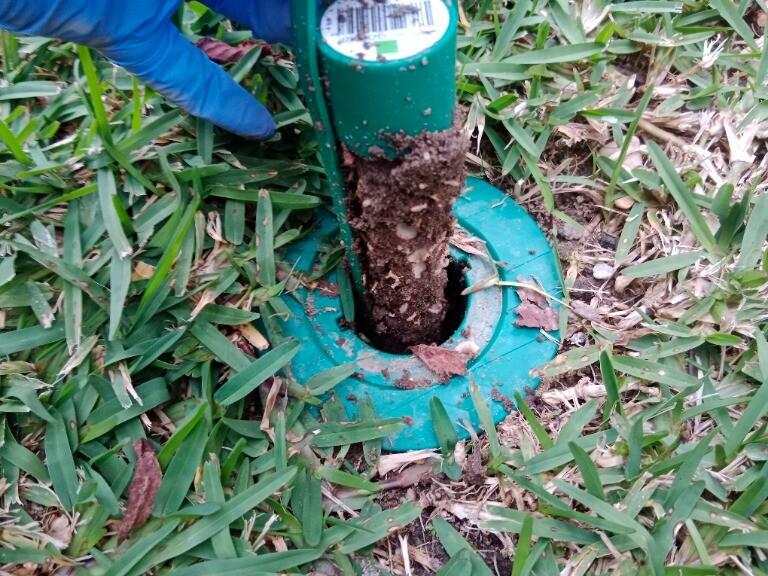
Here’s the part most guides get wrong: a lender’s silence on termites is not a green light to skip the check.
So why the confusion? Because mortgage rules and property condition rules are two different things. A home loan is about whether you can repay.
Below, we’ll show you exactly how loan requirements, sale contracts and insurance fit together, and where a termite inspection actually fits in your purchase timeline.
Lenders care about your ability to repay, not the health of the timber in the walls. That gap is yours to close, and a pre-purchase termite inspection is how you close it.
Pre-Purchase Termite Inspection: What Buyers Need to Know
A pre-purchase termite inspection is a visual assessment of a property for termite activity, termite damage and conditions that attract termites. It is carried out before you commit to the purchase, ideally before your cooling-off period ends.
A common mistake is treating the building and pest inspection as one interchangeable item. They are not. A building inspector checks structure, defects and safety.
What most buyers miss is timing. That way, if the report finds active termites, you still have room to negotiate or walk away.
- Book before cooling-off ends
- Ask for a written report, not a verbal summary
- Confirm the inspector checks the subfloor, roof void and fence lines
- Keep the report for your insurer and future reference
Home Loan Termite Report Requirements Lenders Look For
Most Australian lenders do not ask for a termite report as a standard condition of home loan approval. Where a report does come into play, it is usually triggered by the property’s location, the loan type, the lender’s mortgage insurer, or a valuer’s note rather than a blanket rule.
Here is a practical breakdown of how common Australian loan types treat termite inspections:
| Loan Type | Termite Report Required? | What It Means for You |
|---|---|---|
| Standard variable or fixed home loan | Rarely | Lender relies on valuation only; termite risk sits with you |
| Low-deposit loan (LVR above 80%) | Sometimes | Lender’s mortgage insurer may request condition evidence |
| Lender’s mortgage insurance (LMI) file | Often | Insurer may ask for a specialist report if the valuer flags timber damage |
| Construction or renovation loan | Commonly | Progress and condition checks apply at each stage |
| Refinance | Rarely | Existing property condition assumed; no new inspection |
| First home buyer schemes (e.g. First Home Guarantee) | Rarely | Scheme rules focus on borrower eligibility, not property condition |
| SMSF or investment loan | Sometimes | Lender may require a building and pest report for security purposes |
The pattern is simple: the more risk the lender or insurer carries, the more likely someone asks about property condition. If a valuer flags visible timber damage or active termites, an underwriter may ask for a specialist report before final approval.
A practical decision tree for buyers
Use this sequence to work out whether you need a termite inspection for your loan:
- Check your loan type. If you are using a standard home loan, the lender almost certainly does not require a termite report. If you are using LMI or a construction loan, ask your broker or lender directly whether a report is needed.
- Check the property location. Some lenders apply tighter condition requirements in known termite-prone areas, though this is lender policy rather than a government rule.
- Check your contract. The sale contract may include a building and pest inspection clause. That is a contractual condition, not a loan requirement, but it still binds you.
- Check your lender’s instructions. If your lender or valuer has requested a report, get it done before the finance condition deadline.
- Check your own risk tolerance. Even if no one requires it, a pre-purchase termite inspection is the only way to know what you are buying.
If your lender asks for a termite report, get it done by a licensed specialist and hand over the full written document, not a summary. Underwriters want the inspector’s findings, the areas inspected and any recommendations, all in one place.
Separating loan rules from sale, building-code and insurance rules
A common source of confusion is mixing up four different rule sets:
- Lender conditions: set by the bank or insurer, vary by institution, and can usually be waived or negotiated.
- Sale contract conditions: set by the contract you sign, including building and pest clauses and cooling-off periods.
- Local government and building rules: set by state or territory legislation and local councils, covering things like pool fencing or fire safety, not termite inspections for finance.
- Insurance requirements: some insurers ask for a termite management plan or recent inspection before covering a property, especially in higher-risk areas.
None of these is a universal legal mandate for a termite inspection before a home loan. The requirement, where it exists, comes from one of these four sources, and knowing which one applies to you is the first step.
What Does a Termite Inspection Include?
A termite inspection includes a visual check of accessible areas for live termites, termite damage and conditions that attract termites. The inspector looks at the subfloor, roof void, internal walls, skirting boards, door frames, fences and any timber close to the ground.
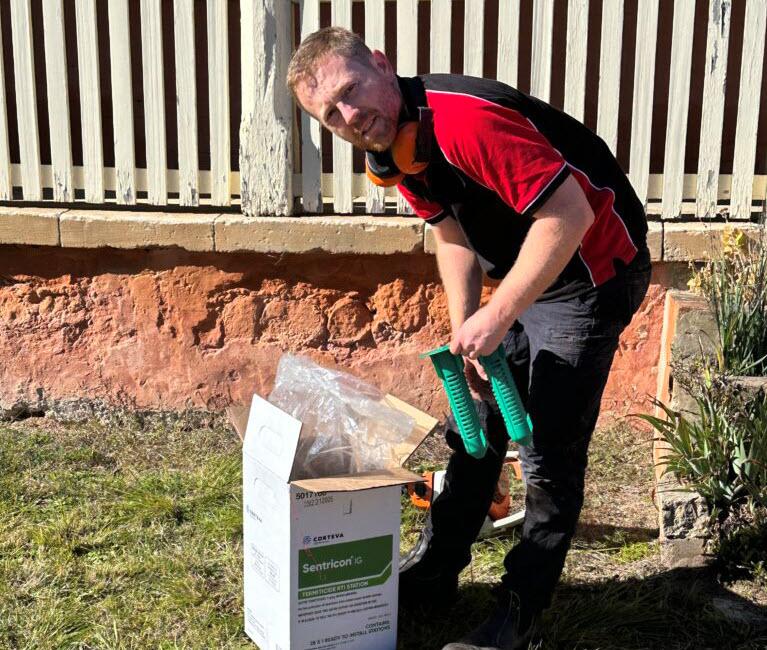
What a lender-ready report must contain
If your lender or insurer has requested a termite report, the document needs to be detailed enough for an underwriter to assess risk. A report that satisfies a lender typically includes:
- The inspector’s name, licence number and company details
- The date of inspection and the property address
- A clear list of areas inspected and areas that could not be accessed, with reasons
- Evidence of termite activity, previous treatment or damage, described in plain language
- A description of conditions that invite termites, such as moisture, timber-to-soil contact or poor drainage
- Recommendations, including whether a follow-up inspection, treatment or repair is needed
- Photographs or diagrams where relevant
- The inspector’s signature and any limitations of the inspection
A verbal summary or a one-page checklist is unlikely to satisfy an underwriter. Ask for the full written report and keep a copy for your insurer and future reference.
Inspector qualifications and what to check
In Australia, pest controllers must hold a licence in the state or territory where they work. Before booking, confirm the inspector is licensed for termite inspections and ask whether they carry professional indemnity insurance. A qualified inspector will also explain the limitations of a visual inspection upfront, no one can see inside closed walls, and no report can promise a property is termite-free.
Active infestation versus evidence of past damage
A report may find live termites, evidence of past termite damage, or both. The distinction matters for lenders and for you:
- Active infestation: live termites are present. This usually requires treatment before or after settlement, and a lender may ask for evidence that treatment has been arranged.
- Evidence of past damage: termites were active at some point but may no longer be present. The report should describe the extent of damage and whether it affects structural timber.
- Inconclusive findings: the inspector could not access a wall cavity or a locked shed. This is not a clean bill of health, it is a gap that needs a follow-up visit.
If the report is inconclusive, arrange a second inspection before your finance or cooling-off deadline. A good report tells you what was missed and why, so you can decide whether to proceed, negotiate or walk away.
A report that says “no active termites visible” is not the same as “no termites.” Visual inspections have limits, and lenders know it. If your lender asks for a report, make sure it clearly states the scope and limitations so there are no surprises at approval.
How Often Should You Get a Termite Inspection?
A termite inspection should happen at least once a year for most properties, and every six months in higher-risk areas or older homes with a history of termites.
Termites work quietly. A property that passed last year can have an active colony this year, especially after wet weather. Regular inspections are how you catch it early, when treatment is simpler and cheaper.
For buyers, the pre-purchase inspection is the starting point. From there, set a yearly reminder and stick to it.
Skipping yearly inspections because “it looked fine last time” is the most common way homeowners end up with structural damage. Termites can work for months before you see a single sign.
When to Book the Inspection in the Purchase Timeline
Book the termite inspection right after your offer is accepted, alongside the building inspection. Both should be done before your cooling-off period or finance condition deadline.
Here is the order that works:
- Offer accepted and contract exchanged
- Book building and pest inspections immediately
- Inspections completed within the first few days
- Reports reviewed before conditions lapse
- Negotiate, proceed or walk away based on findings
- Settlement and move-in
The trap is leaving it late. If you book in the final days of cooling-off, you lose your chance to act on bad news. Get the inspection locked in early so the report lands while you still have options.
Handling Active Infestation, Damage or Inconclusive Findings
Active termites or damage do not automatically kill a sale, but they change the conversation.
Start by getting a treatment quote so you know the real cost. Then decide what to ask for. Some sellers will arrange treatment before settlement. Others will drop the price instead. Both are workable.
Inconclusive findings need a follow-up, not a shrug. If the inspector could not access a wall cavity or a locked shed, arrange a second visit.
If you do proceed, get a termite management plan in place from day one. Redback Pest Control Sydney uses the Sentricon® system for termite control, which protects timber structures as part of an ongoing management approach.
Buyers who have found active termites but still want the property: get a treatment quote before your cooling-off period ends so you can negotiate from facts, not fear.
Frequently Asked Questions
Are termite inspections mandatory for home loans in Australia?
There is no blanket rule that makes termite inspections mandatory for every home loan. Most major lenders do not require one as a standard condition of approval, but individual lenders and mortgage insurers can ask for a report in certain circumstances, such as a rural or high-risk property. Some loan products and lenders mortgage insurance policies also include specific conditions. Check your lender’s requirements early, and remember that a pre-purchase termite inspection is still strongly recommended even when it is not compulsory.
Will my lender ask to see a termite inspection report?
Sometimes. Lenders and their underwriters may request a copy of a termite report when the property is in a known termite zone, when the valuation flags possible damage, or when the loan is being insured. The report should be current, carried out by a licensed pest control professional, and clearly state whether activity was found and what treatment is recommended. Ask your broker upfront what documentation your lender needs so there are no surprises close to settlement.
What does a pre-purchase termite inspection check?
A pre-purchase termite inspection covers the accessible areas of the property, including the subfloor, roof void, internal walls, fences, trees and landscaping, looking for live termites, mud workings, damaged timber and conditions that attract termites. The inspector also notes moisture problems and poor drainage. It is a visual inspection, so concealed or walled-in areas cannot be fully assessed. Ask for a written report with photos and a clear summary of any findings and recommended follow-up.
How often should you get a termite inspection after buying?
Once you own the property, most pest control professionals recommend a termite inspection at least once a year, and more often in high-pressure areas or where a termite management system is installed. Annual inspections help catch activity early and keep any warranty on a termite treatment valid. If the property has had previous termite activity or damage, ask your inspector whether a shorter interval makes sense for your situation.
Buying a property with hidden termite damage is a risk no lender will absorb for you. Redback Pest Control Sydney brings over 30 years of experience, specialised termite dog inspections and the Sentricon® system to protect your wooden structures, backed by our pest control warranty and family-safe guarantee. Get a free quote and book your pre-purchase inspection before your cooling-off period runs out.